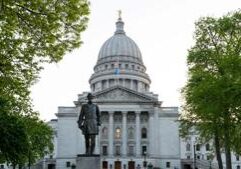
Wisconsin senator wants to reinstitute race-based scholarships via zip code
A Wisconsin state senator is pledging to make changes after a Thursday Wisconsin Supreme Court ruling that a minority scholarship aid program was unconstitutional.
Wisconsin Sen. Dora Drake, D-Milwaukee, said that she intends to introduce a bill that will restart the grant program for students based on income and zip code instead of the qualifications in the program since it began in 1985, including those who are “Black American,” “American Indian,” “Hispanic” or a former citizen of Laos, Vietnam or Cambodia who entered the country in 1976 or later.
Drake received the scholarship while she attended Marquette. The program awarded between $250 and $2,500 per year to students. The scholarships went to private college and technical college students.
The Wisconsin Supreme Court ruled that the program violated the Equal Protection Clause in the 14th Amendment. The case was filed by filed by six taxpayers against the Wisconsin Higher Educational Aids Board and Executive Secretary Connie Hutchinson, who was in charge of administering the grants.
The ruling was based on precedent from a 2023 U.S. Supreme Court ruling.
“That federal case was based on admissions while this program is about a student retention enacted by the state legislature and funded since 1985,” Drake, Chair of the Wisconsin Legislative Black Caucus, said in a statement. “They are setting a dangerous precedent by applying this federal ruling to distinctly different programs.”
Sen. Eric Wimberger, R-Gillett, applauded the ruling and said that it showed that a bill he sponsored, Assembly Bill 669, was the right move because it would have ended race-based scholarships in the state. That bill was vetoed by Gov. Tony Evers.
“Giving benefits based solely on race presumes someone has individual personal characteristics simply because they belong to a race category,” Wimberger said in a statement. “That is stereotyping and racism at their plainest and simplest.
“The Higher Education Aids Board could not identify to the Court any objectives or benefits it hoped to achieve through the policy. The Court is right today to call race-based government policies for what they are: odious.”
Wimberger vowed to continue to work to end other state programs that are solely based upon race because he wants to “pursue equality under the law.”
Drake said that the decision “emboldens an extreme conservative agenda” that hopes to end all protections and programs “to remove all disparities in America and secure a fair democracy for all.”
“We can’t continue to make the same mistakes like our nation did post reconstruction and Jim Crow if we do we will never achieve true equity in our democracy.” Drake said.
Drake called a constitutional amendment on the Nov. 3 statewide ballot “misleading.” The billt would prohibit Wisconsin governmental entities from giving preferential treatment based on race, sex, color, ethnicity or national origin. She said the programs are meant to eliminate disparities between those groups.
“Legislators like State Sen. Dora Drake benefitted from these programs, and now countless Black and Brown Wisconsinites won’t have the same opportunities because of the Supreme Court’s decision,” WisDems spokesperson Philip Shulman said in a statement. “Even worse is this decision will undoubtedly set the stage for more rulings that undercut similar programs and further disenfranchise Wisconsinites.
“This fight is not over, and I am confident we will see Democrats fight this ruling and continue to give every Wisconsinite the best chance possible to make a better life for themselves.”




Rain Showers
Latest News Stories

WATCH: Detransitioner battles to revive landmark malpractice and fraud lawsuit

Iran economic fallout is temporary, Hassett says

Illinois Quick Hits: NFIB says biz deduction will bring jobs, benefit to Illinois

Soaring costs and short supply shut millennials out of housing market
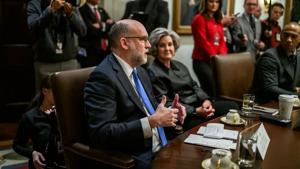
Vought testifies before lawmakers on Trump’s $2.1T budget request

SNAP eligibility changes spark debate on gap for impacted recipients

Trump puts spotlight on China, Iran’s top oil consumer
Lawmakers, auditors offer fraud prevention solutions

Illinois unions seek to kill Waymo-friendly bill in Springfield

Will County Animal Protection Services Advises Against Multi-Campus Shelter Model

Executive Committee Advances $15,000 Strategic Plan Initiative
Rich States Poor States: Tax policy largely determines states’ economic competitiveness