Bill to let felons vote from prison draws criticism from Republicans
(The Center Square) – Some Democrats and electoral rights groups want progress on legislation in Springfield that would give people in prison across the state the ability to vote just weeks after being convicted of a felony or lesser crime.
Some in favor of the bill cite the Illinois Constitution, which says an incarcerated person must have their right to vote restored by the completion of their sentence, leaving room for the legislature to decide when before release that is.
House Bill 5414 would allow felons and other people in prison to have their voting rights restored just 21 days after conviction.
Stevie Valles, executive director of Chicago Votes, told lawmakers that the initiative is a continuation of legislation passed in a previous session, which turned Cook County Jail into a polling site. He further defended the legislation.
“This speaks to how this increases our civic health as a society,” Valles said. “This will restore the voting rights to roughly 55,000 people in Illinois.”
House Minority Floor Leader Rep. Patrick Windhorst, R-Harrisburg, critically questioned the proposal.
“There are some concerns from myself and those opposed to the bill about allowing those who are convicted, serving a prison sentence, having the same rights as those who were the victims in the cases for which they’re serving these sentences,” Windhorst said.
Windhorst went on to say he believes in the concept that when someone is serving a sentence, they are paying their debt to society.
Valles defended the intent of the bill amid the concerns.
“A lot of rights for people who are incarcerated are taken away. This bill is just saying that voting rights shouldn’t be one of those rights,” Valles said.
Valles continued and said that the state leads the nation in exoneration rates, and many incarcerated people are sentenced on plea deals, which he tied to being a result of economic inequality.
Continuing the hearing, proponents explained that the bill would allow convicts to vote in the district they lived before conviction via a mail-in ballot.
Bill sponsor Rep. Justin Slaughter, D-Chicago, said the variety of questions posed by lawmakers on both sides of the bill are valid, and he feels it important to consider the benefits post-release.
“These are still people, and you’re still keeping alive the fact that this particular individual still has an opportunity to be positive and productive,” Slaughter said.
Though the bill has not moved in the legislature aside from an informative hearing, proponents said they are requesting the legislature to consider placing the text within a larger omnibus package – which means the bill could pass without being put through the regular legislative process.




Showers And Thunderstorms Likely
Latest News Stories
Township Appoints Temporary FOIA Officer During Trustee’s Leave of Absence

Meeting Summary and Briefs: Green Garden Township Board for August 11, 2025
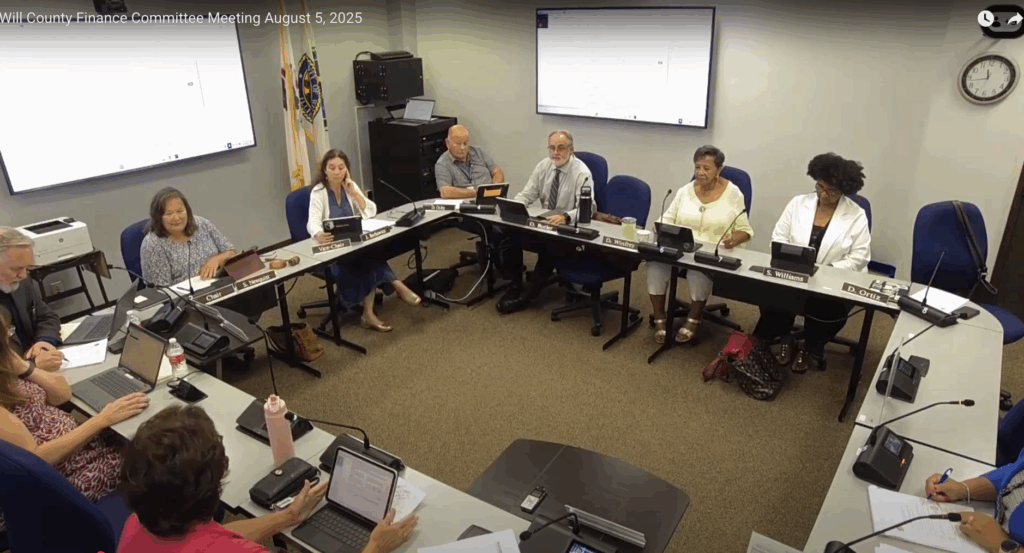
Will County Health Department Seeks $1 Million to Avert ‘Drastic’ Service Cuts from Expiring Grants
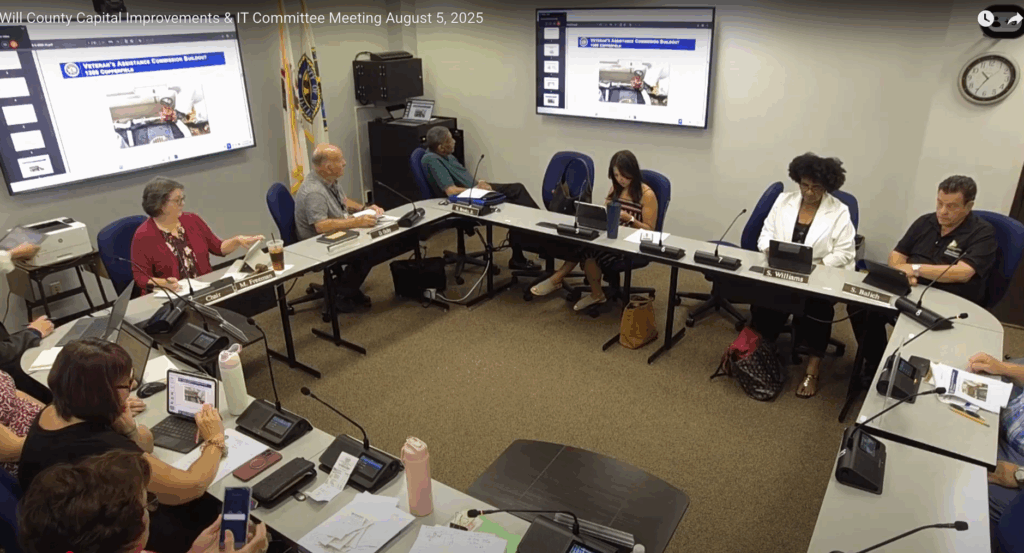
Will County’s “First-in-Nation” Veterans Center to House Workforce Services, Sparking Debate
Improved Vendor Service Creates $1.2 Million Shortfall in Sheriff’s Medical Budget
Will County Public Works Committee Unveils 25-Year Transportation Plan, Projects $258 Million Gap
Will County Animal Protection Services Seeks New Facility Amid “Gaping Wound” of Space Crisis
Board Confronts Animal Services Crowding, Explores Future Facility Options
Will County Board Members Demand Transparency in Cannabis Tax Fund Allocation
Homer Glenn Residents Push Back on 143rd Street Widening as Officials Signal “Tentative Agreement”
Will County Forges 2026 Federal Agenda Amid D.C. Policy Shifts, ‘Big Beautiful Bill’ Impacts
Health Department Seeks $1 Million Levy Increase to Prevent “Weakened System”