Cheaper gas could take time amid tentative ceasefire
Americans hoping for cheaper gasoline after the U.S.-Iran ceasefire will need to be patient, as oil prices and other economic factors continue to work against price cuts motorists want after the recent surge.
Despite the recent ceasefire between the U.S. and Iran, gas prices remain stubbornly high due to a complex mix of reduced oil supply, ongoing shipping disruptions, and seasonal demand. As global oil flows stay restricted and summer travel increases, consumers looking for relief at the pump may have to wait longer than expected.
Instead, gas prices have continued to climb, with the national average hitting $4.17 per gallon on Thursday, according to AAA data.
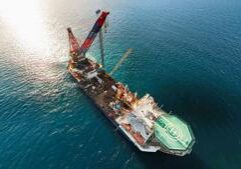
The U.S.-Iran ceasefire has not yet made things better in the Strait of Hormuz, where ship traffic is still much lower than before the conflict. Even with the ceasefire, hundreds of tankers are still stuck, keeping the world’s oil supply limited. Oil prices have reached new highs because of this ongoing problem, with only about seven ships passing through the strait in the last 24 hours compared to about 140 normally, according to ship-tracking data.
The International Chamber of Shipping, a global trade group for shipowners and operators, said the ceasefire was a good start.
“This signals a beginning of a return to stability in the region,” ICS Secretary General Thomas Kazakos said in a statement.
President Donald Trump warned Iran on Thursday about charging tolls for passage through the Strait of Hormuz.
“There are reports that Iran is charging fees to tankers going through the Hormuz Strait – They better not be and, if they are, they better stop now!” the president wrote in a social media post.
Should the ceasefire hold and regional tensions ease further, gas prices could see slight declines in the coming weeks as supply stabilizes. However, seasonal factors may counteract those gains, as stations switch to more expensive summer-blend gasoline and increased travel demand typically pushes prices up.
GasBuddy analyst Patrick De Haan said traffic through the critical Strait of Hormuz will continue to influence U.S. gas prices, even though, as President Donald Trump has frequently pointed out, the U.S. doesn’t get its oil from the strait.
“If the Strait doesn’t see much movement, we’ll keep climbing,” he said.
Crude oil is the main factor affecting gasoline prices, which are driven by global supply and demand. Gasoline prices also reflect costs from refining, distribution, marketing, retail sales, and government taxes. The federal gas tax is 18.4 cents per gallon, with state taxes ranging from about 9 cents to over 70 cents per gallon, according to the American Petroleum Institute.
De Haan noted that when gas prices do begin to fall, the drop is often gradual because stations must first sell through their existing inventory purchased at higher prices.






Mostly Sunny
Latest News Stories
NIH plots investments in women’s health

Pritzker: ‘God was looking out for people’ in storm-damaged Kankakee County

Illinois Quick Hits: Correctional officer charged with sexual misconduct

24 AGs question funding of orgs refusing to remove climate agenda from judges manuals

Costco faces lawsuit as consumers seek refunds from invalid tariffs

Insurer won’t back Gori defense vs asbestos lawsuit fraud claims

With teachers union support, committee approves charter school mandates

Allstate can’t delete class action over alleged secret app tracking

Chicago voters view housing affordability as bigger issue than crime

New Illinois gun bill aims at glock switches; critics say it misses the real problem

Illinois quick hits: Cook County spends nearly $20 million on food, housing services; Chicago Teachers Union tells teachers, students to skip school; Russell Dickerson to play Du Quoin State Fair

Will County Officials Warn of Zoom Court Scam Targeting Defendants for Fraudulent Dismissal Fees