Trump’s fall-back tariffs face court scrutiny, skeptical voters
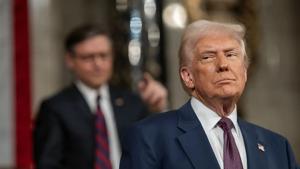
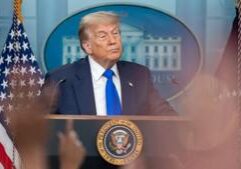
President Donald Trump’s new global import taxes are facing mounting backlash from price-conscious voters and legal challenges in a Manhattan trade court that could ultimately return to the U.S. Supreme Court.
The U.S. Court of International Trade gave the federal government less than a month to respond to the two lawsuits challenging Trump’s global tariff under Section 122 of the Trade Act of 1974.
Trump used the alternative law to impose a 10% global import duty hours after the U.S. Supreme Court in February struck down the tariffs the president imposed under a 1977 law in a tariff regime announced in April 2025. Trump said the new global tariff will climb to 15%. The law has never been used before, so it has not been tested in the courts. The Trump administration says the law allows the president to levy tariffs of up to 15% for up to 150 days to address significant international payment issues.
At the same time, Trump is using yet another law to investigate the trade practices of 16 nations, which could lead to additional tariffs he plans to use to rebuild his tariff wall.
United States Trade Representative Jamieson Greer launched investigations this week into China, the European Union, Singapore, Switzerland, Norway, Indonesia, Malaysia, Cambodia, Thailand, Korea, Vietnam, Taiwan, Bangladesh, Mexico, Japan and India.
The small businesses challenging Trump’s Section 122 tariffs say the law provides no basis for the new import taxes.
“Section 122 is limited to international balance-of-payments problems – problems it is economically impossible for the United States to suffer under our current system of floating exchange rates,” Liberty Justice Center attorneys wrote.
Democrat-led states also challenged the Section 122 tariffs on similar grounds, arguing that Section 122 doesn’t allow the tariffs Trump imposed after the Supreme Court ruling.
The Court of International Trade ordered the government to respond to both cases by April 3.
“The Court’s expedited briefing schedule … shows it understands the urgency and seriousness of these Section 122 challenges,” said Jeffrey Schwab, senior counsel at Liberty Justice Center, the Texas-based nonprofit law firm representing small businesses in the case.
Phillip Magness, a senior fellow at the Independent Institute, said Trump’s legal interpretations could once again end up before the Supreme Court.
“Trump has effectively adopted a strategy of statute-shopping, meaning he’s looking to reenact the same agenda that the court struck down by retrofitting it into different clauses of law,” Magness told The Center Square. “There’s a good chance we will have another round of court proceedings that could reach the Supreme Court.”
As the midterm elections approach, Trump’s tariffs are increasingly unpopular with voters. Rising prices, cited by seven in 10 Americans as a direct result of these tariffs, have become a central concern across party lines, according to recent polling.



Mostly Sunny then Slight Chance Showers And Thunderstorms
Latest News Stories
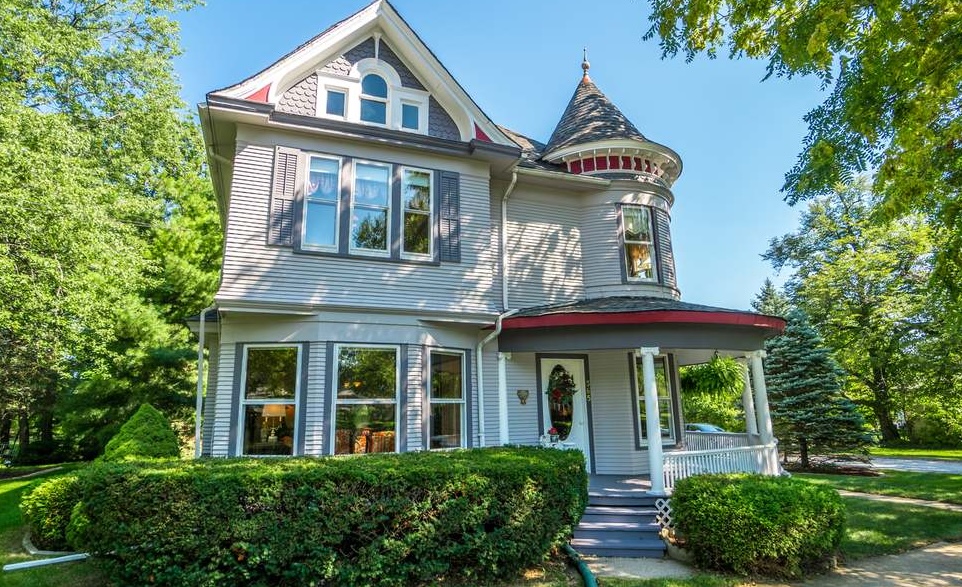
Joseph Perry House Granted Historic Landmark Status

Green Garden Township’s Wildflower Farm Granted Third Extension for Rural Events Permit
Will County Lowers Cedar Road Speed Limit Amid Debate Over Curve Safety and Fatalities

Nine Will County Municipalities Face Expired License Plate Reader Agreements; Crest Hill Opts Out
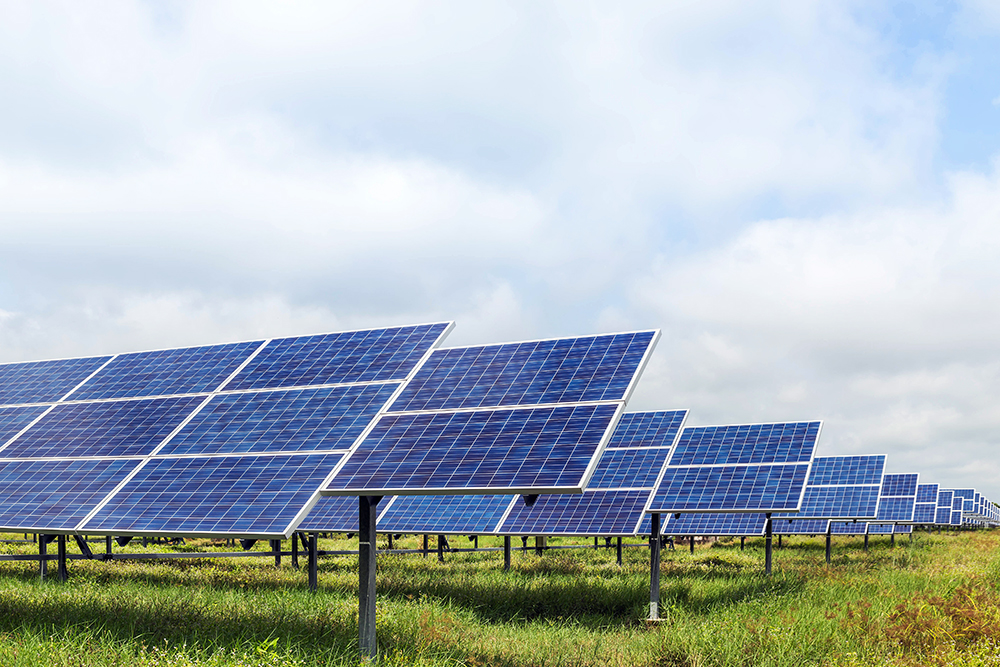
Judge Orders Will County Board to Approve Previously Denied Solar Farm Permits

Jackson’s Five RBIs, Covington’s Homer Power Kankakee Softball Past Crete-Monee in 16-13 Slugfest

Explosive Third Inning, Relentless Baserunning Propel Crete-Monee Past Kankakee, 19-9
WATCH: California probe ends $267M in alleged hospice fraud
Ex-Blago attorney: Quid pro quo is key to Madigan appeal
Illinois Quick Hits: House GOP says no Bears deal without property tax reform

WATCH: More than $600 million stolen from SNAP in 2025
Melania Trump denies any relationship with Jeffrey Epstein