
Lawmaker, physician: Politicians are micromanaging medical education
(The Center Square) – A new proposal, Senate Bill 3325, would allow health care professionals to count menopause education toward the state’s implicit bias training requirement, drawing criticism from physician and state Rep. Bill Hauter, R-Morton, who says Illinois mandates too many continuing education courses.
Supporters say the change could improve women’s care while giving medical professionals more flexibility. During a recent news conference, bill sponsor state Sen. Adriane Johnson, D-Buffalo Grove, said menopause is a natural stage of life, yet far too many women struggle in silence or face unnecessary barriers to care.
“It allows a course on perimenopause and menopause to count toward the existing one-hour training requirement. This is not a new mandate and does not increase continuing education hours or add burdens for providers. Instead, it gives healthcare professionals the option to deepen their understanding of menopause symptoms, challenges, and treatment options while fulfilling a requirement they already have,” said Johnson.
Hauter says lawmakers are increasingly inserting themselves into medical education by mandating training topics.
“All health care professionals have to take continuing medical education, and the General Assembly has mandated a bunch of courses,” Hauter told The Center Square. “That’s hours that could be spent studying something important to your specialty.”
Over the years, Illinois lawmakers have added required education modules on issues ranging from implicit bias to Alzheimer’s awareness and opioid overdoses. Hauter said many of those requirements stem from lobbying efforts following high-profile incidents.
“We get politicians who are lobbied that doctors need more training in something because of a bad case somewhere,” he said.
Hauter argues that many of the mandated courses are overly basic and unnecessary for specialists who rarely encounter the issues being covered.
“The people who don’t need it — orthopedic surgeons, anesthesiologists, pathologists — are forced to take it,” he said. “And the people who actually specialize in these areas are already the experts.”
Hauter said hospitals, employers and professional medical societies already require their own training and education modules, creating overlapping requirements for many health care professionals.
“We’re inundated with everybody saying, ‘Take this course,’ and they mandate it,” Hauter said. “It crowds out the important things we have to know for our own field.”
The bill’s approach of letting menopause courses count toward implicit bias training, he added, reflects what he sees as a broader issue with lawmakers dictating medical education requirements.
“It’s a really bad situation to give politicians control of our medical education,” Hauter said.
The proposal remains under consideration in the Illinois General Assembly.






Showers And Thunderstorms Likely
Latest News Stories

Jackson’s Five RBIs, Covington’s Homer Power Kankakee Softball Past Crete-Monee in 16-13 Slugfest

Explosive Third Inning, Relentless Baserunning Propel Crete-Monee Past Kankakee, 19-9
WATCH: California probe ends $267M in alleged hospice fraud
Ex-Blago attorney: Quid pro quo is key to Madigan appeal

Illinois Quick Hits: House GOP says no Bears deal without property tax reform

WATCH: More than $600 million stolen from SNAP in 2025

Melania Trump denies any relationship with Jeffrey Epstein

War Powers Resolution halting Trump’s Iran ambitions fails in U.S. House
Defensive Miscues Cost Crete-Monee Softball in 13-7 Loss to Kankakee
Crete-Monee Capitalizes on Kankakee Miscues, Cruises to 18-8 Run-Rule Victory
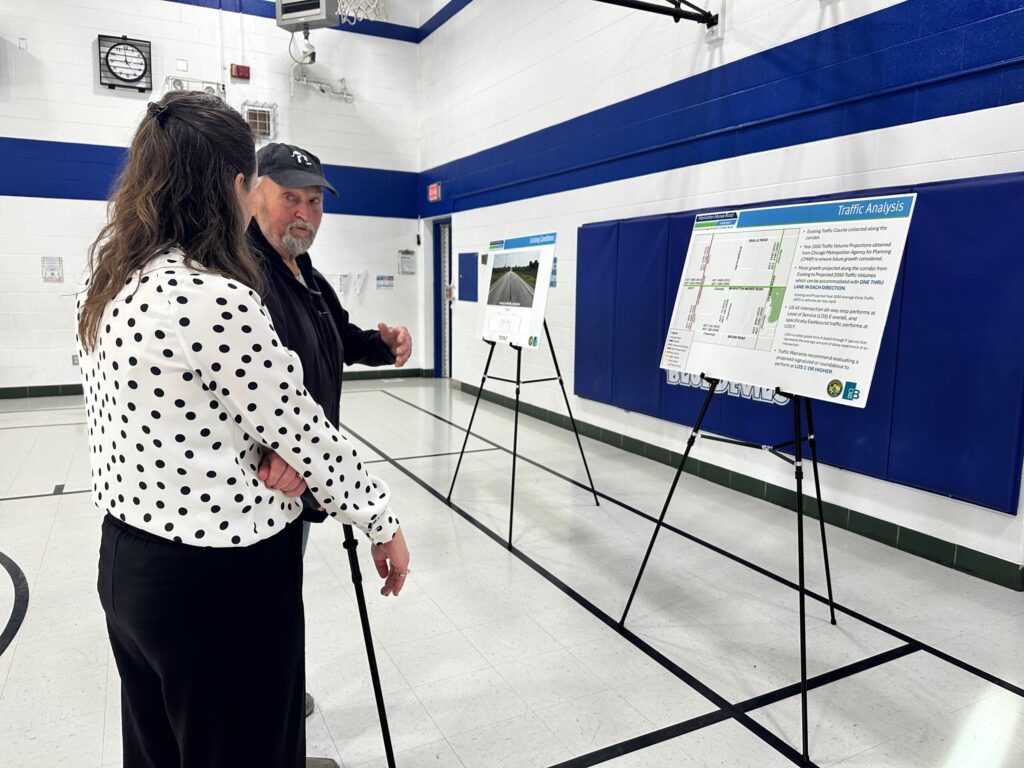
Will County DOT Hosts Open House on Manhattan-Monee Road Project

Answers wanted to ‘pathetic’ state procurement issues