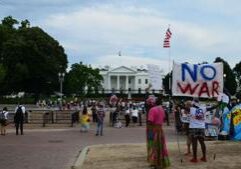
Lawmakers concerned over taxpayer burden of Iran conflict
As U.S. military operations in Iran continue with no end in sight, lawmakers are debating whether to authorize billions in taxpayer money for the Pentagon.
Though the Trump administration has not yet formally requested supplemental funding, it is expected to do so soon, and the number will likely be in the tens of billions of dollars.
The Department of Defense received over $900 billion in December through the National Defense Authorization Act.
While not all Democratic lawmakers have ruled out providing extra money, many are staunchly against supporting hostilities that Congress did not authorize.
House Budget Committee Ranking Member Brendan Boyle, D-Pa., has requested the Congressional Budget Office provide official estimates of how much a war in Iran could cost under different scenarios.
“The Constitution grants Congress both the power of the purse and the responsibility of declaring war,” Boyle wrote in a letter to CBO. “Congress should ensure we are spending taxpayer dollars to improve the quality of life for the American people, not paying for another endless war in the Middle East.”
Trump said the conflict – which the administration originally touted as a short-term operation – may last more than five weeks.
The DOD has neither confirmed nor denied whether it plans to deploy U.S. troops on the ground in Iran, with Defense Secretary Pete Hegseth telling reporters that the Pentagon will “go as far as we need to go to advance American interests.”
For American taxpayers, that could cost them tens of billions of dollars, according to some estimates.
While the Institute for Policy Studies estimates the U.S. is currently spending roughly $60 million per day on Iran operations, other organizations project much higher numbers. According to calculations by the Center for Strategic and International Studies, the conflict has already cost taxpayers up to $3.7 billion, or roughly $891 million per day.
The federal government racked up record-breaking deficits in fiscal year 2025 and is set to do so again at current spending levels under the second Trump administration.
From November 2025 to February 2026 alone, the U.S. added nearly $700 billion to the national debt, The Center Square reported.






Showers And Thunderstorms Likely
Latest News Stories

Multiple Agencies Rescue Person in Mental Health Crisis from Frankfort Pond

Green Garden Township Forges Ahead with New Town Hall Plan, Faces Budget and Neighbor Concerns

IT Consultant Urges Green Garden Township to Adopt Modern Cybersecurity Measures

Sanchez Family Unveils Major Redevelopment Plan for Monee Industrial Property
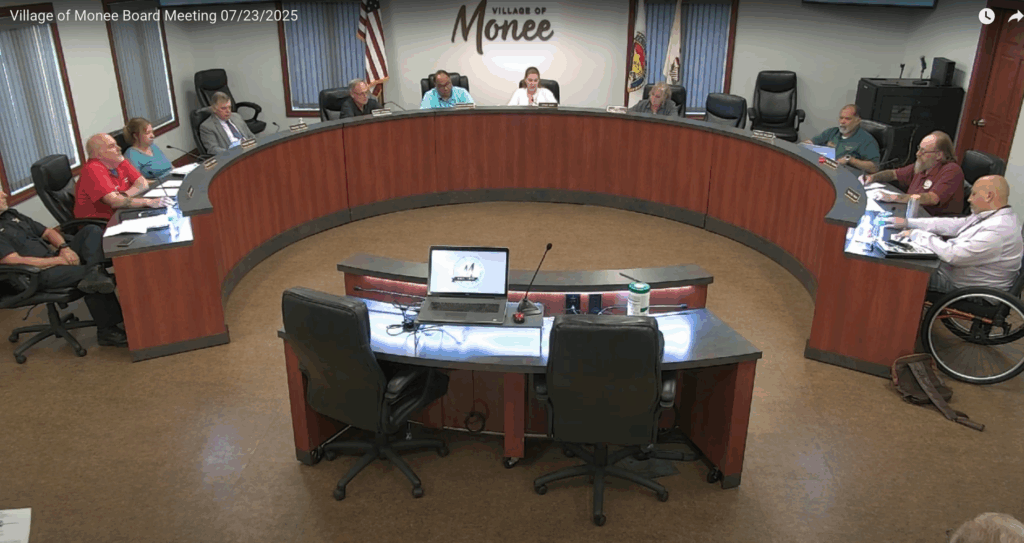
Monee Approves Over $566,000 Payment for New Public Works Facility Nearing Completion

Sheepdog Firearms Gets Green Light for Special Use Permit in Monee
Monee to Receive $250,000 Donation in Solar Project Agreement

Peotone Library Weighs Potential $5M New Building Against $2M in Repairs

Peotone Library Weighs Potential $5M New Building Against $2M in Repairs
Monee Board Sets Spending Plan with 2025-2026 Appropriations Ordinance

Peotone Library to Survey Residents, Explores Book Lockers and Bookmobile for Monee

Peotone Library to Survey Residents, Explores Book Lockers and Bookmobile for Monee