
Trump’s newest tariff program won’t raise nearly as much money
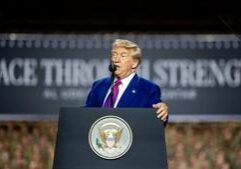
President Donald Trump’s newest tariffs, which already face a legal challenge in court, could increase deficits by $1.6 billion over the next decade, if they survive court scrutiny.
The latest developments mark a pivotal moment for Trump’s trade agenda, as his administration’s use of tariffs faces mounting challenges. With the Supreme Court limiting presidential authority on tariffs and new measures under alternative laws already sparking controversy, the outcome will have ramifications for the U.S. economy, federal budget, and global trade relations.
The Congressional Budget Office, which provides budgetary analysis to federal policymakers, projected that the reduction in tariff rates after the Supreme Court decision would bring in roughly half the revenue from Trump’s reciprocal tariffs.
Last month, the Supreme Court delivered a setback to one of Trump’s signature initiatives, dismissing his administration’s claim that the 1977 International Emergency Economic Powers Act granted the president broad authority to levy duties on foreign imports. After the ruling, the president introduced a new global tariff under Section 122 of the Trade Act of 1974, which, according to the administration, permits the president to impose tariffs of up to 15% for up to 150 days to address major international payments issues.
The Congressional Budget Office estimated that the reduction in tariffs following the Supreme Court decision will increase primary deficits by $1.6 trillion over the next decade. The CBO also noted that some previously collected tariff revenue could be refunded.
“We estimate that about $150 billion in customs duties were collected as a result of the IEEPA tariffs before they were removed. Some importers have made claims for refunds of those duties as well as for interest,” according to the report. “The extent and timing of payments to those importers are uncertain. Because of that uncertainty, the estimated change in deficits reported above does not reflect refunds of previously collected duties.”
Trump’s tariff policy could hamper the U.S. economy, according to the CBO report.
“We projected that changes in trade policy since January 2025 would temporarily raise the rate of inflation, reduce real investment, lower the level of real gross domestic product, and reduce employment,” CBO Director Phillip Swagel wrote. “The termination of IEEPA tariffs dampens those effects.”
Gross domestic product is a measure of the nation’s total economic activity.
Much about Trump’s tariffs remains unclear.
“Our tariff projections continue to be uncertain, in part because the Administration may change how tariff policies are administered. For example, if mechanisms for additional exemptions were implemented, the tariff duties collected could decline substantially,” Swagel said. “Moreover, the United States has not implemented changes in tariffs of this size in many decades, so there is little empirical evidence to guide our estimates of their long-term effects.”
Last month, the Supreme Court ruled that the International Emergency Economic Powers Act does not grant the president broad authority to impose tariffs. Since the ruling, Trump has used alternative laws to impose a 10% global tariff on imports, with some exceptions.
The president is working to salvage trade agreements with foreign nations made last year, following his April 2025 announcement of reciprocal tariffs on every U.S. trading partner. Tariffs have become a central policy focus of Trump’s second term in office.
Trump is also seeking to re-establish high tariff barriers through alternative legal avenues, including trade investigations under Section 301.
“It’s my strong belief that the tariff rates will be back to their old rate within five months,” Treasury Secretary Bessent said Wednesday on CNBC’s “Squawk Box.”
Bessent also noted that Trump’s proposed 15% global tariff could be implemented as soon as this week.
Trump has relied on tariffs to advance key campaign promises since returning to the White House in 2025, including a proposed $2,000 tariff rebate for most Americans. He has asserted that tariff revenues could fund increased military spending, replace income taxes, and help reduce the federal government’s $38.7 trillion debt. Experts caution that tariff revenues are unlikely to cover the cost of those initiatives.






Showers And Thunderstorms Likely
Latest News Stories

Meeting Summary and Briefs: Will County Board Legislative Committee for May 5, 2026

Meeting Summary and Briefs: Crete-Monee Board of Education for May 12, 2026
Meeting Summary and Briefs: Will County Board Executive Committee for May 14, 2026

Will County Executive Committee Splits on Whether to Ask Voters About Single-Member Districts
Will County Departments to Stop Accepting Pennies, Rounding Down Cash Transactions
Legislative Committee: Federal Update Highlights $79 Billion ICE Funding and DHS Reconciliation

Crete-Monee Secures Lower Rates for Waste Removal, Renews Milk Contract
Will County Executive Committee Backs Funding Pursuit for $2.33 Million Harris Drive Property Buyouts
Will County Division of Transportation Requests $1 Million Increase to Highway Levy to Combat Inflation

Will County Hears Proposal to Establish County-Focused Land Bank for Distressed Properties
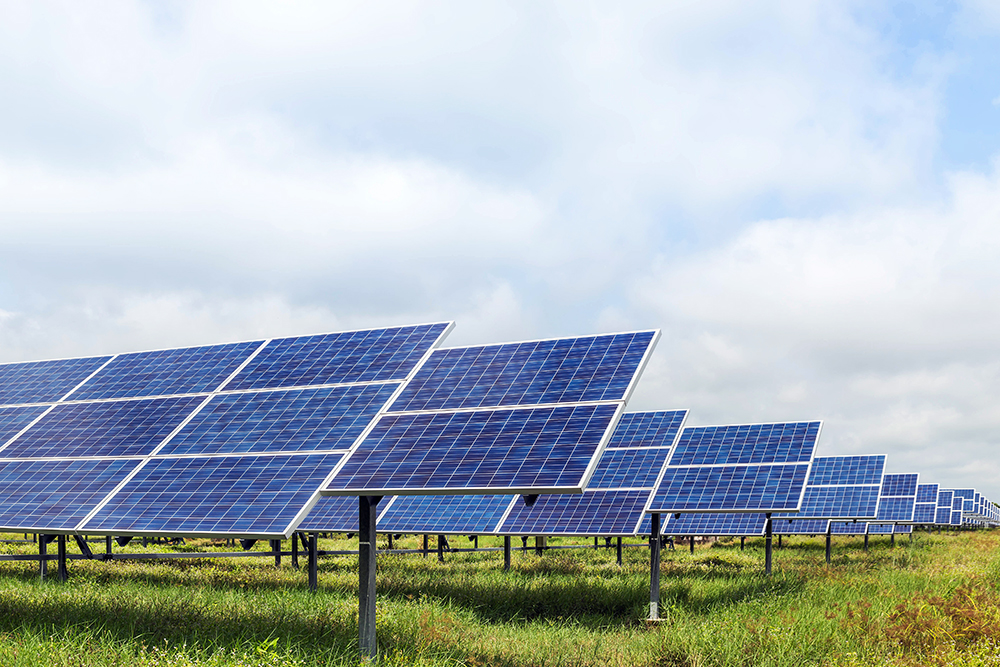
Will County Executive Committee Recommends 600 MW Pride of the Prairie Solar Project in 6-5 Split Vote
Aging Systems and Judicial Mandates Drive Significant FY2027 Budget Requests for Will County Courts and Sheriff