
Farm bill, with changes, heads to U.S. House for vote
After more than 22 hours of debate, the Agriculture Committee in the House of Representatives voted early Thursday morning to advance the Farm, Food, and National Security Act of 2026.
Seven Democrats – despite voicing objections to measures limiting federal investments into farmland solar projects and loosening restrictions on PFAS chemicals and pesticides – ultimately supported the bill.
Those included Democratic Reps. Adam Gray and Jim Costa of California, Josh Riley from New York, Sharice Davids of Kansas, Don Davis of North Carolina, Gabe Vasquez of New Mexico, and Kristen McDonald Rivet of Michigan.
The five-year bipartisan farm bill renews and enhances crop insurance, disaster assistance, risk management programs, loans for farmers, and federal agricultural research.
It also invests in rural broadband connectivity, forestry management, rural water infrastructure and hospital assistance, and the Rural Energy for America Program.
Additionally, it transfers authority over the Food for Peace initiative from USAID to the U.S. Department of Agriculture, requiring at least 50% of food distributed to be sourced from the U.S.
Committee Chairman Glenn Thompson, R-Pa., said the bill totals roughly $1.3 trillion and “reflects the will of the committee, and it is filled with bipartisan provisions that will move the needle for farmers, ranchers, and rural Americans across the country.”
Out of the dozens of amendments put forward during the markup, lawmakers adopted less than 10 into the bill. The proposal heads to the House floor for a vote as soon as next week.
Key amendments include increasing research on food waste, broadening eligibility for grants to volunteer fire departments, creating a reserve fund for REAP, and requiring a report on the effects of proposed changes to the United States-Mexico-Canada Agreement.
Democratic amendments rolling back the cost-cutting reforms to the Supplemental Nutrition Assistance Program in Republicans’ One Big Beautiful Bill Act all failed.
House Agriculture Committee Ranking Member Angie Craig, D-Minn., called the legislation “a shell of a farm bill” and refused to support it Thursday.
“Have we made some bipartisan improvements to the bill during the amendment process? Sure,” Craig said. “But despite that, this remains a lackluster, disappointing farm bill that does not meet the moment. And it is going to have challenges getting broad bipartisan support on the floor.”
Stakeholders held mixed reactions to the bill. Some sided with Democrats, condemning the bill for its lack of SNAP support.
In a Thursday statement, the Food Research & Action Center said the bill “blatantly ignores the robust impact of SNAP in supporting families, farmers, food retailers, and America’s overall economy.”
Other organizations, however, rejoiced that Congress finally made progress on a farm bill after eight years. The American Farm Bureau Federation said the legislation is “critical as farmers face headwinds not seen in a generation.”
“The farm bill has a ripple effect across the country by supporting the farmers who grow the food that stocks every kitchen pantry in America,” President Zippy Duvall of the federation said. “We urge House leaders to continue the momentum and bring this important legislation to a vote on the floor.”





Slight Chance Showers And Thunderstorms
Latest News Stories

Govt. funding process close to finish line as Senate preps for final vote

Trump threatens 100% tariffs on Canada over China deal

Attorneys review Chicago Teachers Union audits following congressional request

DHS: ICE agent shoots, kills armed Minneapolis man; protests erupt

‘They deserve their story’: Bill aims to open foster care files

Under Trump, Big Bend CBP Sector in Texas making history
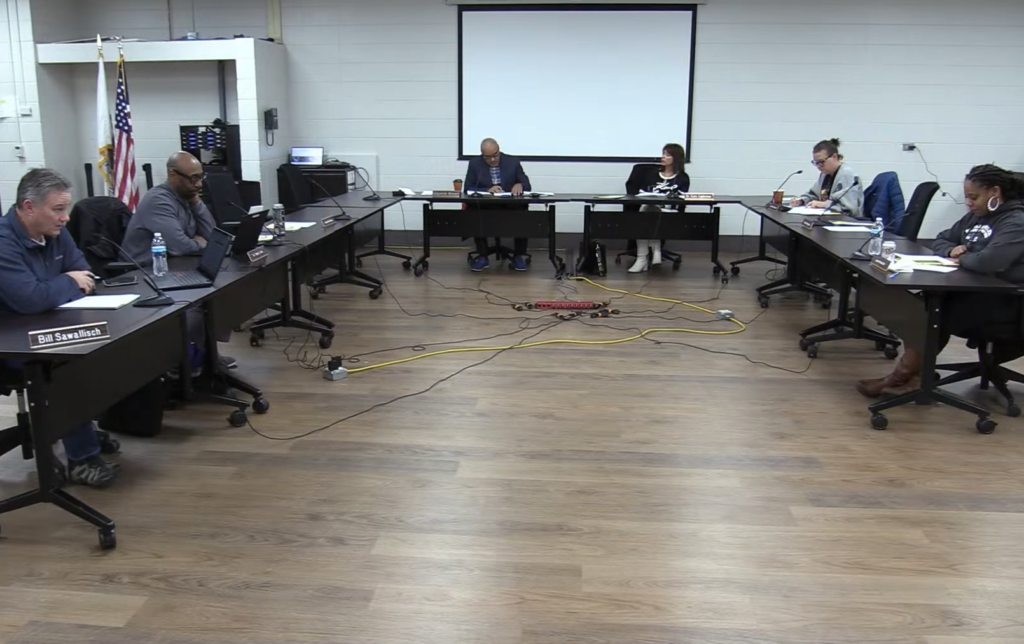
School Board Votes to Abate Taxes for Bond Debt Service

Prairie View Landfill Expansion Plans Take Shape as Consultants Navigate Design Challenges

Pro-life marchers say fight against abortion isn’t over

Dodgers’ first baseman loses $2M on home sale after taxes

WATCH: FOIA reveals 725% increase in Medicaid for IL children without SSNs
HHS won’t use taxpayer dollars for research using aborted fetal tissue