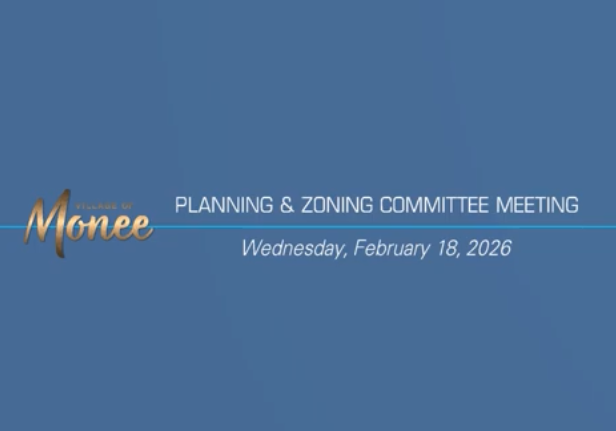
Meeting Summary and Briefs: Monee Planning and Zoning Board of Appeals for February 18, 2026
Monee Planning and Zoning Board of Appeals Meeting | February 18, 2026
The Monee Planning and Zoning Board of Appeals met on Wednesday, February 18, 2026, at 5130 W. Court Street to conduct a public hearing and review a subdivision request. All seven board members—Chairperson Bettenhausen and Commissioners Brophy, Culp, Lehnerer, Lindstrom, Trevino, and West—were present. The meeting was brief, lasting approximately six minutes, with the Board voting unanimously on all items.
Minutes Approved:
The Board voted to approve the minutes from the previous regular meeting held on December 17, 2025.
Next Steps for Recommendations:
Chairperson Bettenhausen informed the applicant for the Chestnut Road special use permit that the Village Board of Trustees is scheduled to meet on Wednesday, February 25, at 6:30 p.m. The recommendations made during this meeting will be presented to the Trustees for final approval at that time.

Mostly Sunny then Slight Chance Showers And Thunderstorms
Latest News Stories
Finance Committee: County Appropriates Fees from $25 Million Wilmington Warehouse Project

Assaults against ICE up 1300%, vehicular attacks up 3200%, death threats up 8000%
Bipartisan bill to cap annual deficits at 3% could curb debt growth

One year in, a ‘ho-hum’ jobs report
Five battleground governor’s races for 2026

Chicago Flips Red calls for audit after public schools report

Capital Imp Committee: Begins Drafting Policy to Regulate Artificial Intelligence in County Government

Public Health Committee Chair Demands Animal Control Agreements for Crete, Monee

Public Works Committee Considers Taking Over Kankakee County Line Road to Expedite Bridge Repairs

Trump signs order protecting Venezuelan oil revenue from legal claims

Retirements and resignations to impact midterms as balance of power at stake
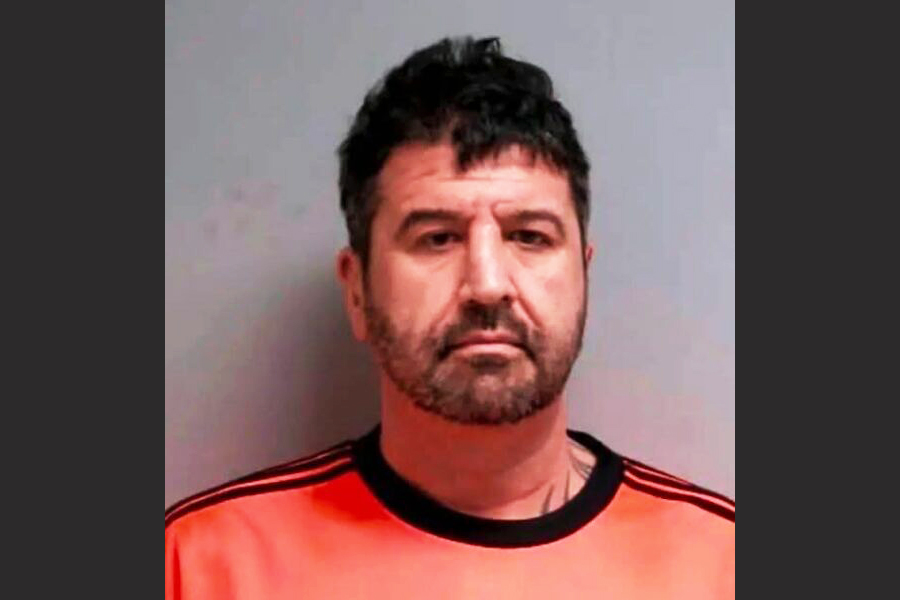
Peotone Man Charged With Disorderly Conduct, Criminal Damage at New Lenox Target
U.S. Supreme Court to hear anti-oil cases with energy costs on the line

Constitutional concerns raised over Illinois’ first civil hate crime case