

States, caregivers can now view key metrics for state child welfare systems
Foster parents, caregivers and state agencies can now review high-level data of all 50 states’ child welfare systems, comparing permanency and safety outcomes across states.
These performance indicators were previously only available within federal and state child welfare systems, and there was no uniform dashboard states could readily access to compare their data to other states.
The Administration for Children and Families worked to create a public dashboard pursuant to goals outlined in a November executive order aiming to improve the nation’s foster care system. The hope is that states can easily measure their performance against other states and use the data to collaborate and learn from one another. Potential or current caregivers can also look at their state’s rates of maltreatment of children in foster care compared to other states and the national average; they can also view statistics on their states’ permanent placements – how quickly foster children typically exit the foster system and are either reunited with their families, living with a relative, adopted or placed with a legal guardian.
“Good data drives better decisions for America’s children,” said Assistant Secretary for the Administration Alex Adams. “We are delivering radical transparency in child welfare so the federal government, state leaders, advocates, and families can more efficiently work together to ensure children in foster care are safe and growing up in loving homes.”
The administration will work to improve the dashboard with more “user-friendly interfaces” and “expanded comparison tools” and is ultimately aiming for a “more succinct scorecard fully aligned with the goals of the executive order for improved outcomes for children and families,” according to a press release.
In November, President Donald Trump signed an executive order with several directives on enhancing data collection and sharing and leveraging new and advanced technologies to modernize child welfare information systems. One of those directives was the publication of an annual scorecard measuring “key outcomes and metrics” of state child welfare systems.
The initiatives laid out in the order are intended to decrease the average amount of time children spend in foster care, speed foster and permanent placements, accelerate reporting, ease caseworkers’ workloads and better connect older children with educational and career opportunities.






Showers And Thunderstorms Likely
Latest News Stories
Crete “Group Care” Home Approved for Senior Living
Meeting Summary and Briefs: Monee Township Board for Oct. 2025
Monee Public Works Handles Water Leaks and Winter Prep
New Bar Approved in Frankfort Despite Board Opposition

JJC Board Approves Grundy County Land Purchase Amid Heated Debate
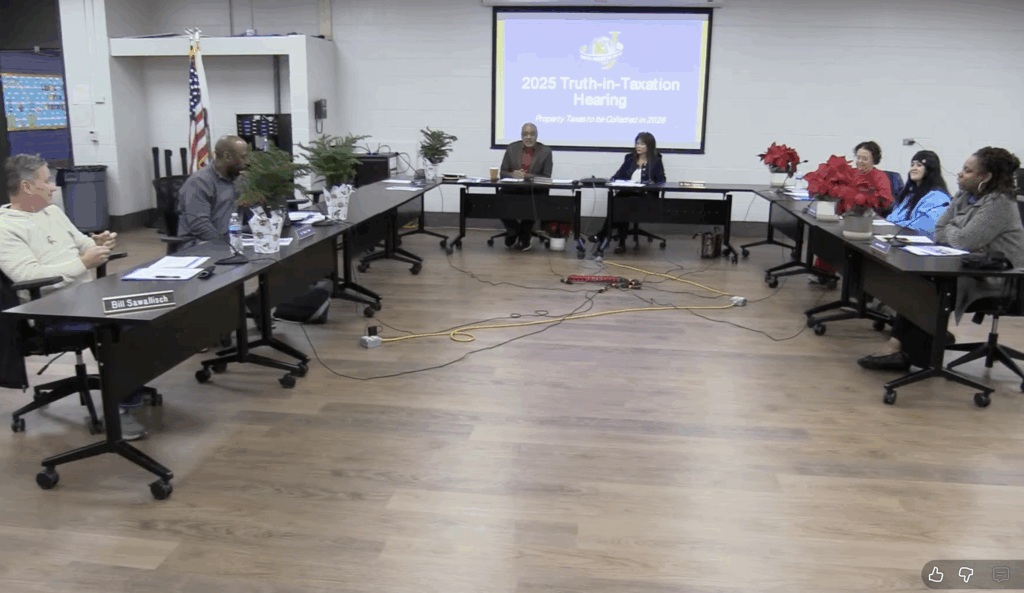
District Proposes “Balloon Levy” to Capture Expiring TIF Revenue

Georgia prosecutor drops Trump election interference case

IL congressman’s retirement announcement sparks calls for election fixes

WATCH: Trump calls Pritzker ‘fat slob;’ Talk of reviving progressive tax criticized

Illinois quick hits: Man arrested for threating legislator; vigilance urged during shopping season

County Takes Over “Central Will” Dial-A-Ride in Major Consolidation
Board Denies Appeal for “Tiny Home” RV Living in Crete