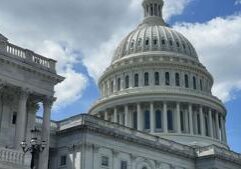
Bipartisan bill to cap annual deficits at 3% could curb debt growth
Lawmakers introduced a bipartisan proposal to cap annual deficits at 3% of GDP, but this resolution would still permit spending beyond annual revenue.
House Resolution 981 would limit annual deficits to 3% of gross domestic product, or GDP, a measure of the nation’s total economic activity, by 2030 or sooner. Last year’s budget deficit was about double that at 6%.
The measure sets a fiscal target of reducing the deficit to 3% of GDP or less. Congress would then aim for a balanced budget. The House Budget Committee must recommend enforcement options within 180 days, such as procedures for when the target is not met.
The Rules Committee must suggest rule changes to help meet the target, including making budget rules more difficult to waive and requiring the Congressional Budget Office to analyze the impact of major bills. The resolution also urges Congress to avoid budget gimmicks.
The last budget surplus was in 2001. Since then, spending has outpaced revenues, with annual deficits growing sharply during the COVID-19 pandemic. The FY2025 deficit was $1.7 trillion, or about 6% of GDP.
The last time Congress passed a budget below the 3% target was in 2015, according to the resolution.
Bipartisan Fiscal Forum Co-Chairs Bill Huizenga, R-Mich., and Scott Peters, D-Calif., introduced the resolution. Huizenga said it shows Republicans and Democrats recognize the gravity of the federal government’s debt problem.
“This is not an aspirational target; it is the minimum standard necessary to preserve America’s long-term economic security,” Huizenga said in a statement.
Rep. Lloyd Smucker, R-Pa., called the 3% target an “achievable goal.”
“If left unchecked, interest on the debt will crowd out spending on defense, health care, and every other government service,” Congressman Mike Quigley, D-Ill., said in a statement.
Last year, the federal government spent more on interest costs to service its $38 trillion in debt than it did on the U.S. military. The growing national debt is largely the result of Congress spending more money than it collects, along with rising costs for Medicare and Social Security as the U.S. population ages and healthcare costs continue to increase. The federal government has to pay more in interest as it accumulates debt.
Budget watchdogs lined up in support of the resolution.
Maya MacGuineas, president of the Committee for a Responsible Federal Budget, called it a good start.
“A 3% of GDP deficit target is realistic enough to be achievable, and aggressive enough to reassure markets and lenders that the debt is on a sustainable path,” she said.
Concord Action Executive Director Carolyn Bourdeaux said reducing annual deficits would cut the risk of “a debt-induced economic meltdown.”
“We encourage members of Congress from both parties to support it – and then to take real action to build this benchmark into budget resolutions and budget bills,” she said.






Chance Showers And Thunderstorms then Slight Chance Showers And Thunderstorms
Latest News Stories
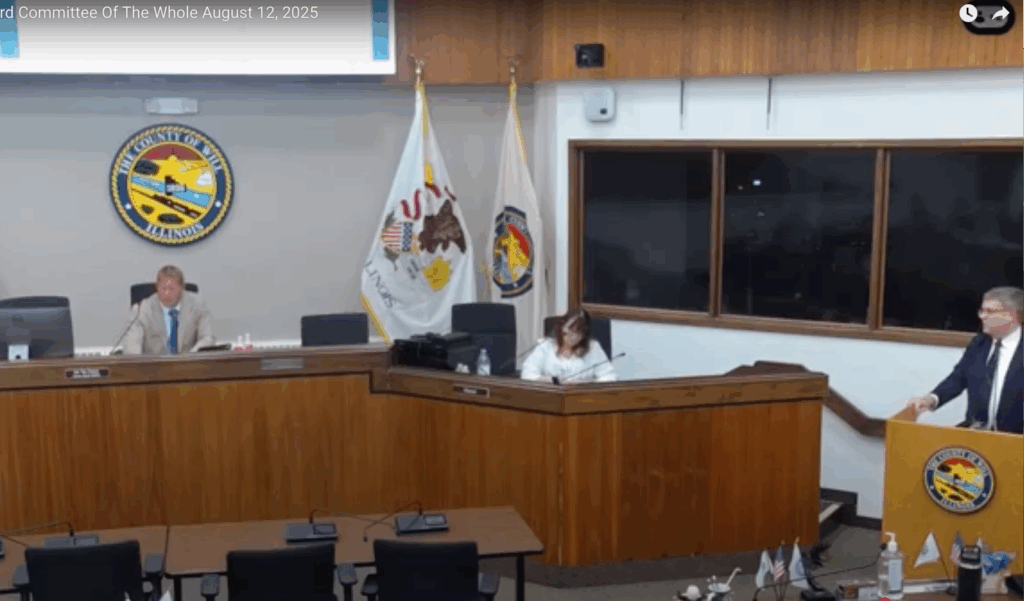
Will County Board Gets Back to Basics with Robert’s Rules of Order Training
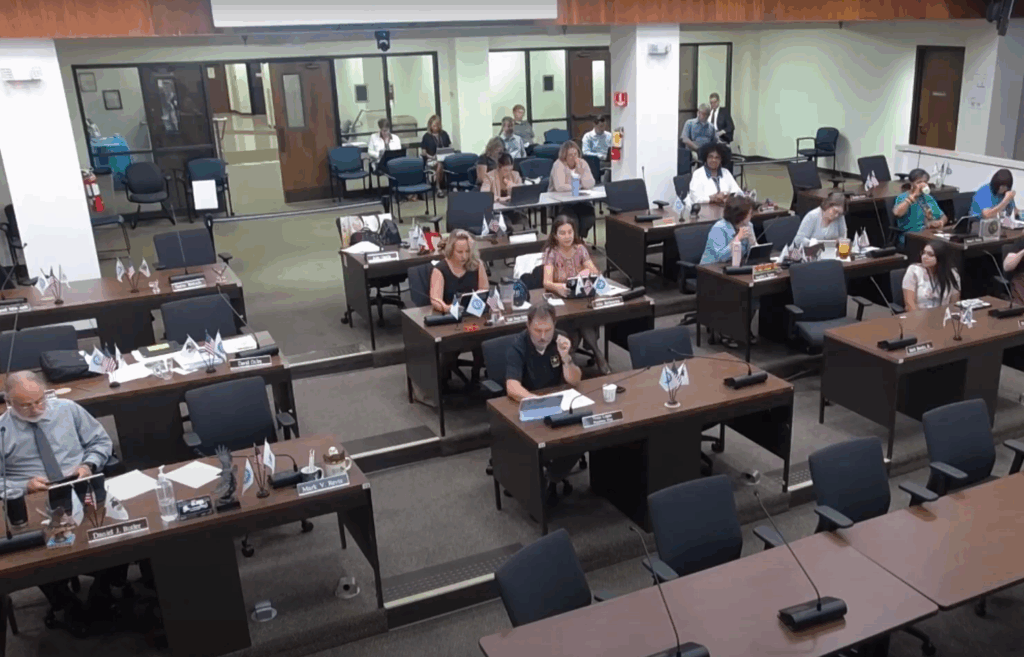
Executive Committee Approves Amended Houbolt Bridge Agreement to Settle Litigation

Meeting Summary and Briefs: Will County Board Committee of the Whole for August 12, 2025
Meeting Summary and Briefs: Will County Ad-Hoc Ordinance Review Committee for August 12, 2025
Monee Board Approves $1.7 Million Payment for Critical Water Main Redundancy
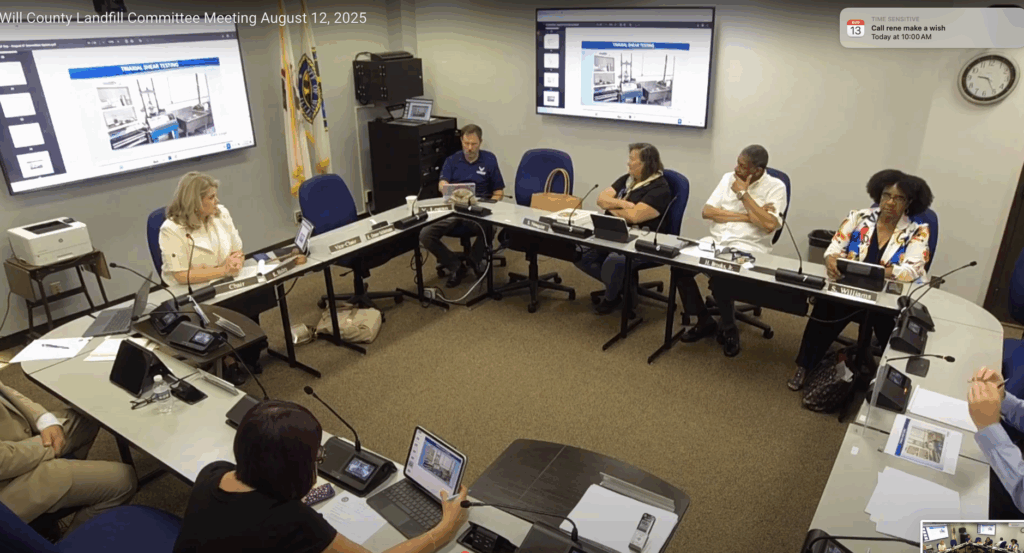
Report Finding Few Trucks Littering Sparks Debate on Cleanup Responsibility
Crete-Monee Spotlights Summer School Success with STEM, Arts, and Academic Gains

Crete-Monee School Board Tables Vote on Arming Security Director Amid Debate
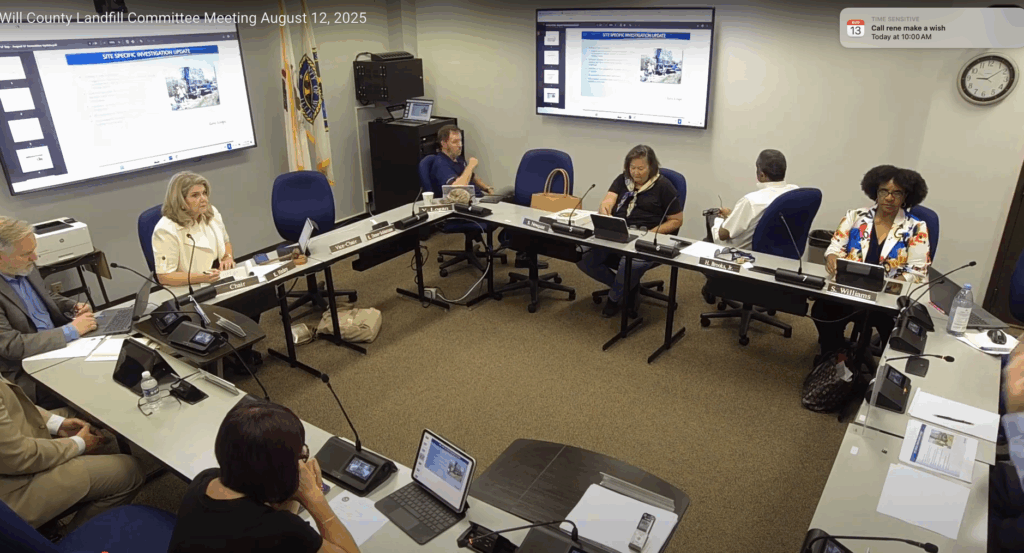
Will County Receives Detailed Update on Landfill Expansion Investigation

Meeting Summary and Briefs: Will County Landfill Committee for August 7, 2025

Crete-Monee 201-U Board Reviews Tentative Budget with Projected $722,000 Deficit

Green Garden Township Moves Forward with New Town Hall Plans, Awaits Grant Approval