
Trump frets over looming Supreme Court decision on tariffs
Days after deposing a foreign dictator, President Donald Trump said his worldwide taxes on imports are more crucial than ever to U.S. security.
The president’s remarks came after U.S. authorities captured and arrested Venezuelan President Nicolás Maduro on drug trafficking charges and amid fresh concerns about the Western Hemisphere. Trump said Sunday that the communist island state of Cuba “looks like it’s ready to fall” without money from Venezuelan oil.
However, Trump needs a favorable ruling from the U.S. Supreme Court to maintain his tariffs.
“We have taken in, and will soon be receiving, more than 600 Billion Dollars in Tariffs, but the Fake News Media refuses to talk about it because they hate and disrespect our Country, and want to interfere with the upcoming Tariff decision, one of the most important ever, of the United States Supreme Court,” Trump wrote Monday.
Trump has been publicly fretting about the decision for months, predicting economic ruin for the nation along with the loss of a key foreign policy tool. Trump has said his use of tariffs helped end eight wars and prevented other nations from taking advantage of the U.S.
“Because of Tariffs, our Country is financially, AND FROM A NATIONAL SECURITY STANDPOINT, FAR STRONGER AND MORE RESPECTED THAN EVER BEFORE,” Trump wrote Monday in a Truth Social post.
Trump’s claims about tariff revenues vary from week to week and with official government estimates. The federal government collected $195 billion in customs duties in fiscal year 2025. That’s 250% more than fiscal year 2024, according to the last Monthly Treasury Statement for fiscal year 2025.
In November, the Congressional Budget office projected tariff revenue would reduce deficits by $3 trillion over the next decade. That’s down from an earlier estimate of $4 trillion in August.
A lawsuit, filed last year and now pending before the U.S. Supreme Court stands in the way. A group of states, small businesses, and others alleged Trump overstepped his authority by using the 1977 International Emergency Economic Powers Act to impose import taxes on every nation in the world.
Tariffs are taxes on imported products paid by the importer, but who ends up paying can get complex in business deals.
The U.S. Supreme Court heard oral arguments in November over Trump’s authority to implement tariffs without Congressional approval under the International Emergency Economic Powers Act. That law, passed in 1977, does not mention the word “tariff” and had never been used to impose tariffs prior to Trump’s action.
Even conservative justices seemed skeptical of the government’s case for tariffs. Chief Justice John Roberts called the tariffs “taxes on Americans,” which he said had long been a “core power of Congress,” not the president.
Before reaching the Supreme Court, two lower courts had rejected Trump’s tariffs at earlier stages in the legal process. In August, the U.S. Court of Appeals for the Federal Circuit affirmed a ruling by the Court of International Trade that Trump did not have the authority. In the 7-4 decision, the majority of the Federal Circuit said that tariff authority rests with Congress.
The Supreme Court agreed to take the case on an expedited basis. Both businesses groups, the states and the federal government said a quick ruling is crucial.



Mostly Sunny
Latest News Stories

Hegseth seeks to reduce Sen. Kelly’s Navy retirement pay
Special election for Greene’s seat set for March 10
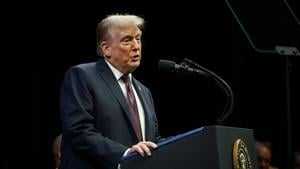
Trump lays out ‘roadmap for victory’ during GOP House retreat

Longtime GOP California congressman dies

Law enforcement deaths hit 80-year low in 2025

Michigan GOP leader seeks audit of $540M child care program

WATCH: Trump ‘not gonna pay’ child care fraud; Immigration enforcement costs; Moving out

Duckworth pushes military IVF coverage as critics warn taxpayers could pay

Illinois quick hits: Increased flu activity reported

Chicago car impounds not unconstitutional ‘taking’: Court
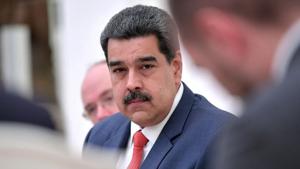
Southwest congressional members discuss Venezuela
U.S. companies dodge global tax in OECD deal