Everyday Economics: Housing takes center stage as we ring in the new year
As we step into a new year, housing data takes center stage. After the Christmas holiday, markets are shifting from reflection to recalibration – and this week’s housing releases will help set the tone for 2026.
On the official calendar, we’ll get updates from the National Association of Realtors on pending home sales, alongside the latest Case-Shiller Home Price Index. These reports provide valuable signals, but they also arrive with a lag. Fortunately, the housing market doesn’t require guesswork heading into the new year.
For a more timely view of where housing demand and prices are headed, look no further than the Zillow Housing Market Report, released nearly two weeks ahead of the traditional data. It offers an early read on trends that will shape the official releases — and the broader housing outlook for 2026.
Seasonality Finally Returns
November marked an important turning point. After an unseasonably active fall, seasonal cooling finally began to seep back into the housing market.
Newly pending home sales, which had remained unusually firm through October, softened as colder weather and holiday timing weighed on activity. Even so, pending sales remained above their year-ago levels — a sign that underlying demand is still present, even if affordability and rate sensitivity continue to restrain momentum.
That balance – softer month-to-month activity, but improved year-over-year comparisons – is becoming a defining feature of today’s housing market.
Home Prices: Flat on the Surface, Mixed Underneath
On the price side, national home values were essentially unchanged from a year ago in November. That headline stability, however, masks meaningful dispersion beneath the surface.
At the property level, most homeowners are still sitting on gains relative to their last purchase. But over the past year alone, 53% of homes saw their estimated value decline. In other words, price growth hasn’t collapsed – but it has become far more uneven.
This reflects a market adjusting to higher borrowing costs, increased inventory in some regions, and buyers who are no longer willing to chase prices higher. Sellers retain leverage in supply-constrained pockets, while more competitive markets are seeing modest price givebacks.
What This Means for 2026
So where are home values and sales headed in 2026?
The short answer: roughly flat, with modest upside.
Zillow forecasts home values to rise about 1.7% next year – a far cry from the pandemic boom, but firmly in positive territory. Existing home sales are expected to show a more noticeable improvement, rising 5.2% as affordability slowly improves and sellers continue to work their way back into the market.
This isn’t a return to rapid appreciation or runaway activity. Instead, it’s a transition toward a healthier, more sustainable housing market – one defined by price stability, gradual demand recovery, and fewer extremes on both sides.
As we head into 2026, housing is no longer frozen – but it’s also not overheating. And that balance may be exactly what the market needs.






Showers And Thunderstorms Likely
Latest News Stories

Illinois Quick Hits: Prtizker says Trump order is unconstitutional

U of I pressed on costly abandoned development project, stance on DEI directives

Trump says Iran’s new leader wants ceasefire

‘Conversion therapy’ bans in IL, other states, in danger, after SCOTUS ruling
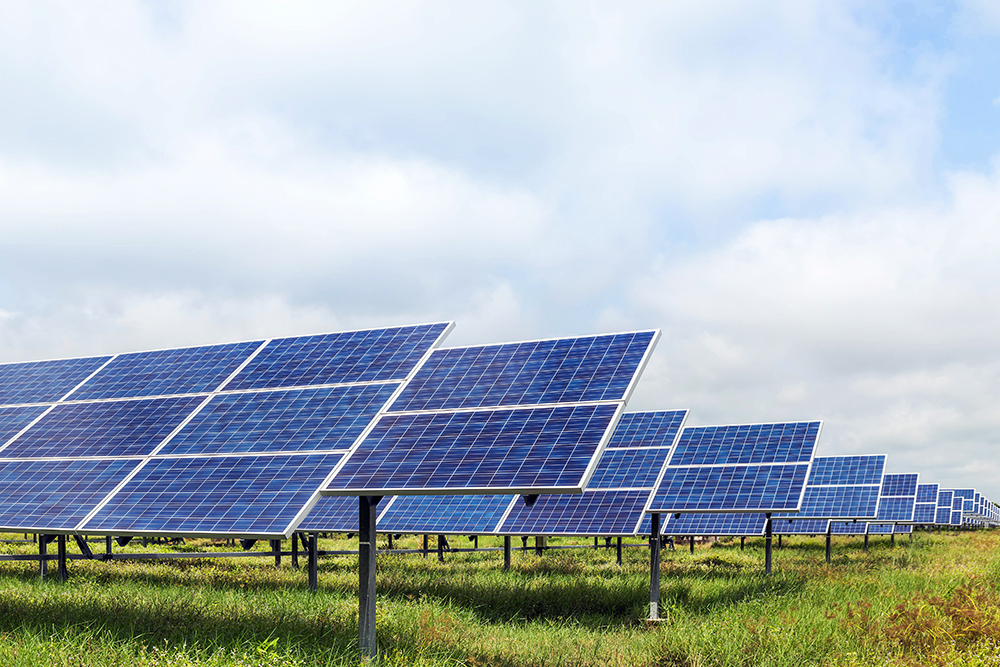
County Board Approves Peotone Solar Farm Amid Debates Over Union Labor and Tornado Safety

Crete-Monee Board Debates Member Travel Budgets Amid Rising Conference Costs

Illinois business leaders press lawmakers as child care costs face scrutiny

Illinois Quick Hits: Vacant lots go on sale in Chicago
State vs. local property tax debate rages in Illinois
Illinois Quick Hits: County study reflects massive property tax hikes

Fewer businesses of Illinois’ diversity-preferred group got state contracts last year

Slattery Throws No-Hitter as Crete-Monee Softball Crushes Thornridge 17-0

Oak Forest Demolishes Crete-Monee 15-0 in Four-Inning Rout

Some blame taxes as Illinois grows on paper but loses residents