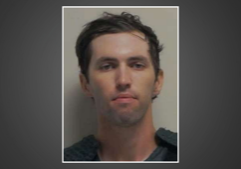
Suspect in Charlie Kirk assassination makes first in-person appearance in court
The Utah man charged with assassinating conservative activist Charlie Kirk appeared in person before a Utah court Thursday for the first time since his arrest.
Thursday’s hearing covered some evidentiary and procedural issues ahead of the trial of 22-year-old Tyler James Robinson, who has been charged with multiple felonies in connection with Kirk’s murder.
Robinson wore gray dress pants and a light blue button-down shirt with a softly patterned tie. In an earlier audio-only virtual hearing, the judge had agreed to allow Robinson to wear civilian clothing at pretrial hearings, as the defense had argued his jail attire could prejudice potential jurors.
Though in regular clothing, Robinson still had to wear handcuffs in court and even though the judge had earlier ruled that his shackles couldn’t be visible in any media photographs or video captured in the courtroom, they were visible on at least one livestream Thursday.
Robinson appeared fairly relaxed before the hearing started, even smiling some while talking quietly with some of his lawyers.
Judge Tony Graf Jr. of Utah’s Fourth Judicial Court began the hearing by listing the three issues they would be covering. The parties were to discuss which portions of the audio recording of an Oct. 24 closed hearing would remain sealed and which, if any, could be made public. According to a statement from the Utah County Attorney’s office, the portions in question concerned “the Defendant’s motion to appear at hearings in civilian clothing and without restraints.”
This part of the hearing was closed to the public.
Robinson’s lawyers asked Graf if the defendant’s parents and brother, who attended the hearing, could be present for that portion, but after the prosecution voiced a concern, Graf ultimately decided against it.
“My only concern with that, Your Honor, is that we’re going to be talking about court security measures, and I don’t know that we’ll have to go into a lot of detail about that, but I do have concerns about those issues being discussed in public,” a state attorney said.
“Given the nature and the sensitivity of it, I believe it is appropriate to treat all parties and all in the public equally, though I do recognize their relationship with Mr. Robinson,” Graf said.
After they concluded that part of the hearing, everyone reconvened in the courtroom and turned to two other matters Graf had mentioned: The state’s motion to amend or clarify the gag order and a motion filed by media lawyers that they would receive notice of any motions to close, seal or reclassify any evidence in the case.
The prosecution argued that the case’s gag order was vague and overbroad and asked that the term “witnesses” be clearly confined to just the prosecution team – not to any witnesses the state might call upon. Legally, there are strict rules about how a court can restrain the speech of non-attorney trial participants, and some people connected to the case should be allowed to speak rather freely about it, the prosecution argued.
“And I think the court also needs to note that there are several people associated with this case who have very significant interest in exercising their First Amendment rights and talking about how this case has affected them,” a state attorney said.
On the second point, the defense reiterated that they do not believe they should have to give media lawyers a copy of its pleadings in advance, citing concerns about leaks and media “chaos” being brought into the courtroom.
Media attorneys continued to push for limited party status in the case, so they could be kept abreast of important developments.
Graf said he would have a decision on the first issue soon and the parties scheduled another virtual hearing for Dec. 29, where he will issue rulings on the other two. The next in-person hearing will be Jan. 16.



Chance Showers And Thunderstorms
Latest News Stories

Meeting Summary and Briefs: Will County Board Legislative Committee for May 5, 2026
Meeting Summary and Briefs: Crete-Monee Board of Education for May 12, 2026
Meeting Summary and Briefs: Will County Board Executive Committee for May 14, 2026

Will County Executive Committee Splits on Whether to Ask Voters About Single-Member Districts
Will County Departments to Stop Accepting Pennies, Rounding Down Cash Transactions
Legislative Committee: Federal Update Highlights $79 Billion ICE Funding and DHS Reconciliation
Crete-Monee Secures Lower Rates for Waste Removal, Renews Milk Contract
Will County Executive Committee Backs Funding Pursuit for $2.33 Million Harris Drive Property Buyouts
Will County Division of Transportation Requests $1 Million Increase to Highway Levy to Combat Inflation

Will County Hears Proposal to Establish County-Focused Land Bank for Distressed Properties

Will County Executive Committee Recommends 600 MW Pride of the Prairie Solar Project in 6-5 Split Vote
Aging Systems and Judicial Mandates Drive Significant FY2027 Budget Requests for Will County Courts and Sheriff