Judge rules against Trump’s freeze on wind energy
Democratic attorneys general applauded a federal judge’s ruling this week that the Trump administration can’t halt development of all wind energy projects.
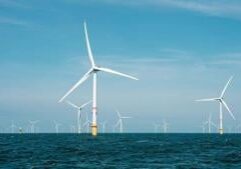
Proponents have long considered wind energy to be a clean, renewable energy source that produces electricity without burning fossil fuels. But opponents warn against turbines’ impact on wildlife and land. They also question wind power’s reliability and affordability.
On Jan. 20, President Donald Trump issued an executive order halting all federal approvals for development of offshore and onshore wind energy projects. Approvals were stopped pending an indefinite federal review of wind leasing and permitting.
Judge Patti Saris of the U.S. District Court for the District of Massachusetts ruled in favor of the 17 states and District of Columbia, who sued Trump to resume wind energy development. The ruling said Trump’s executive order was “arbitrary and capricious” and contrary to law.
Attorneys general praised Saris’ ruling and warned what the end of wind energy would have done to their states.
“Trump’s illegal wind order would have driven up energy costs on Arizonans already struggling with high utility bills,” said Attorney General Kris Mayes of Arizona.
Mayes noted in a news release that wind energy projects on state trust lands provide critical revenue for public schools.
“The Trump administration’s illegal freeze of these programs would have harmed Arizona and threatened our state’s economy and environment,” Mayes said.
California Attorney General Rob Bonta’s office noted wind energy is reliable and affordable and supports hundreds of thousands of jobs. The office noted the energy source, which supplies more than 10% of the nation’s electricity, creates billions of dollars in economic activity and tax revenues.
“Today, we celebrate another victory against the Trump Administration. A court has agreed with California and our sister states nationwide: The Trump Administration’s attempt to thwart states’ efforts to make energy more clean, reliable and affordable for our residents is unlawful and cannot stand,” Bonta said Monday in a news release.
Meanwhile, Wayne Winegarden, a senior business fellow at the Pasadena-based Pacific Research Institute, said he isn’t questioning the ruling against Trump’s executive order and understands states found themselves in a predicament with the executive order. “Often Trump does things without doing them the proper way.”
But the economist told The Center Square, “The more important point, the longer lasting point, is we’re over-investing in wind and under-appreciating its consequences.” He noted there are questions over wind power’s reliability and its burden on the energy grid. He noted it increases costs and that there’s uncertainty about how much power it actually generates.
“We want affordable, reliable, lower-emission energy infrastructure,” Winegarden said.
Wind power also threatens the environment, Winegarden said. “Offshore wind tribunes harm whales.”
And on land, wind tribunes create noise, he said.
“What do we do with these huge blades once they wear out?” Winegarden said. “That’s an environmental and costly issue that needs to be managed.”
Blades consist of high-tech composite materials that critics say are hard to recycle.
Other critics have noted turbines have killed birds and bats. They warn about the loss of large tracts for wind farms.
But if the land used for wind or solar power can be used for other purposes, the impact is minimal, according to the Our Worlds in Data website.
Proponents of wind power say modern turbines are safer for wildfire and setbacks can mitigate noise.
The Center Square reached out to the California Wind Energy Association for comment, but did not get a response.
In addition to California, Arizona and the District of Columbia, jurisdictions suing the Trump administration include Colorado, Connecticut, Delaware, Illinois, Maine, Maryland, Massachusetts, Michigan, Minnesota, New Jersey, New York, New Mexico, Oregon, Rhode Island and Washington.






Partly Sunny then Chance Showers And Thunderstorms
Latest News Stories
Will County Public Works Committee Unveils 25-Year Transportation Plan, Projects $258 Million Gap
Will County Animal Protection Services Seeks New Facility Amid “Gaping Wound” of Space Crisis
Board Confronts Animal Services Crowding, Explores Future Facility Options
Will County Board Members Demand Transparency in Cannabis Tax Fund Allocation
Homer Glenn Residents Push Back on 143rd Street Widening as Officials Signal “Tentative Agreement”
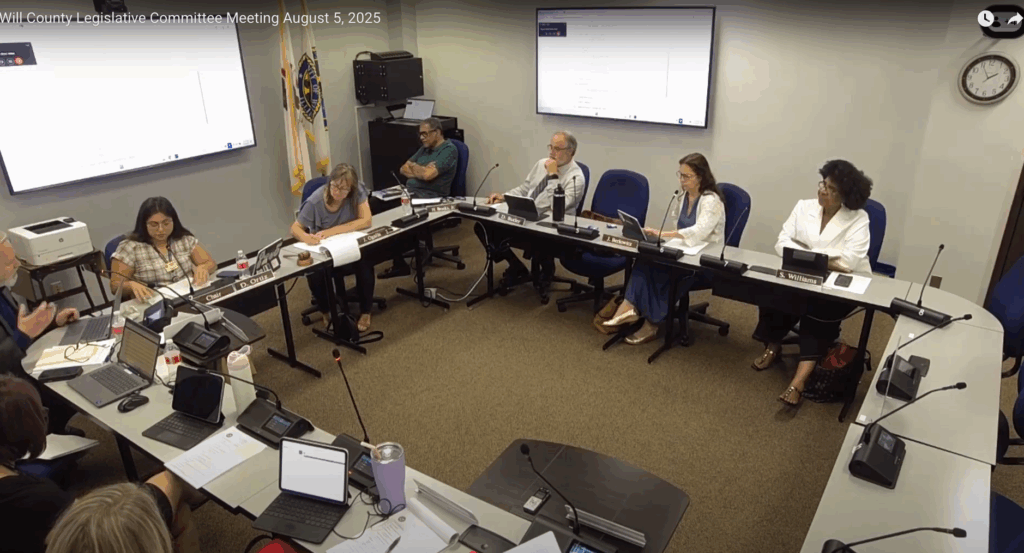
Will County Forges 2026 Federal Agenda Amid D.C. Policy Shifts, ‘Big Beautiful Bill’ Impacts
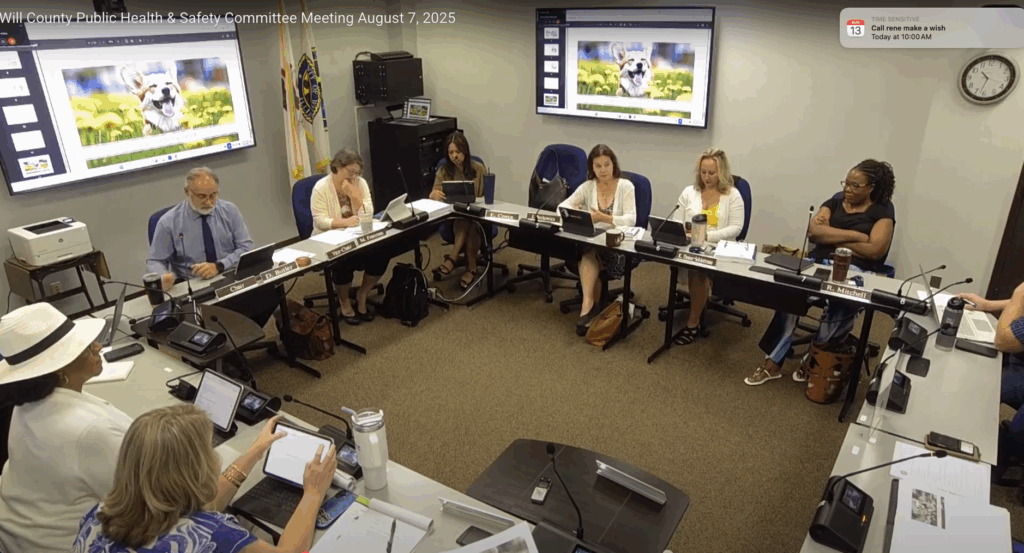
Health Department Seeks $1 Million Levy Increase to Prevent “Weakened System”
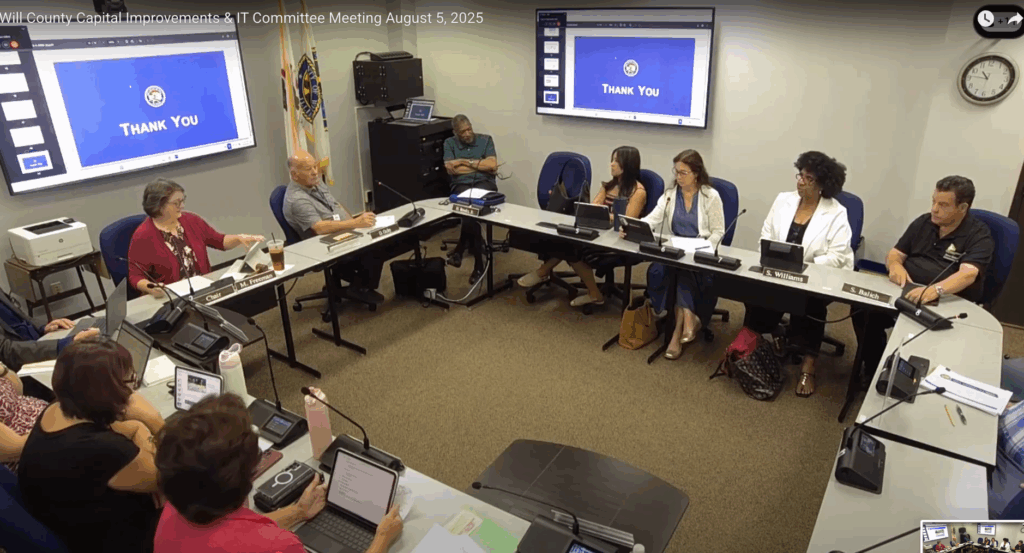
County Rolls Out New “OneMeeting” Software to Improve Public Access

Meeting Summary and Briefs: Will County Board Finance Committee for August 5, 2025
Will County PZC Approves Rezoning for Truck Repair Facility on Manhattan Road Amid Resident Concerns
Key Stretch of Bell Road on Track for Thanksgiving Reopening, Committee Approves Additional Funds

Will County Leglislative Committee Opposes Federal Push for Heavier, Longer Trucks
Will County Reports Progress in Opioid Fight, Highlights New FDA Labeling Rules