WATCH: Pritzker: ‘No’ to state taxpayer-funded guaranteed income
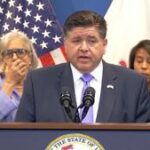
(The Center Square) – Gov. J.B. Pritzker says he is not planning to follow Cook County by implementing a guaranteed income program, and one Statehouse Democrat wants to prevent government units from funding such programs with taxpayer dollars.
Cook County’s $10.12 billion budget for fiscal year 2026 includes $7.5 million for guaranteed income recipients. The county’s Board of Commissioners unanimously approved the spending plan Nov. 20.
Pritzker was asked in Chicago Wednesday if he was considering the use of state taxpayer dollars for guaranteed income.
“No,” the governor responded.
When asked for his thoughts about Cook County’s program, he said it was not inappropriate for counties and municipalities to try things.
“It’s not a policy that we’re looking at doing for the state of Illinois but, on the other hand, sometimes things that you don’t imagine would work do,” Pritzker said.
The governor said it was important to make sure people have the basics they need in life.
“I am concerned, I think that we should be providing jobs for people so they can earn a good living, and the dignity of work really matters,” Pritzker said.
Last April, Cook County Board President Toni Preckwinkle said the county’s guaranteed income pilot program was successful and announced the formation of a committee to guide the next phase.
The pilot program used $42 million in federal American Rescue Plan Act funds to give monthly $500 payments to 3,250 families.
Last December, state Rep. Anthony DeLuca, D-Chicago Heights, proposed the Prohibition on Taxpayer Funding of Guaranteed Income Act. The measure was referred to the General Assembly’s Rules Committee on Jan. 9, 2025.
DeLuca said House Bill 60 would prohibit units of government from using taxpayer money to fund guaranteed income programs.
“What the bill does, it doesn’t say you cannot have a guaranteed income program. You can have a guaranteed income program, you just can’t use the taxpayer dollars to do so,” DeLuca told The Center Square.
DeLuca said, under his legislation, government units could still manage guaranteed income programs if the funding came from another source.
“And it gets back to the same issue about managing tax dollars. People are paying a lot of money in property taxes, certainly in my area,” DeLuca explained. “Affordability is a huge issue. They feel like they’re getting nickel-and-dimed by government at all levels.”
Republican gubernatorial candidate Ted Dabrowski called Cook County’s decision to continue its guaranteed income program “a prime example of recklessly misguided welfare.”
Dabrowski issued a statement saying the Pritzker administration helped make Cook County’s move possible, noting the county’s program contained no work requirement for able-bodied people and no citizenship requirement.
“Normalizing government dependency, as Cook County’s program clearly seeks to do, is destructive at a time when Illinoisans, especially in Cook County, are already reeling from huge tax increases,” Dabrowski concluded.
Greg Bishop contributed to this story.




Mostly Sunny
Latest News Stories

Five battleground governor’s races for 2026

Chicago Flips Red calls for audit after public schools report

Capital Imp Committee: Begins Drafting Policy to Regulate Artificial Intelligence in County Government

Public Health Committee Chair Demands Animal Control Agreements for Crete, Monee
Public Works Committee Considers Taking Over Kankakee County Line Road to Expedite Bridge Repairs
Trump signs order protecting Venezuelan oil revenue from legal claims
Retirements and resignations to impact midterms as balance of power at stake
Peotone Man Charged With Disorderly Conduct, Criminal Damage at New Lenox Target

U.S. Supreme Court to hear anti-oil cases with energy costs on the line

Constitutional concerns raised over Illinois’ first civil hate crime case
Executive Committee: Update to Land Resource Management Plan; Solar Farms and Rural Zoning Dominate Discussion
Will County Committee Adds Path to Citizenship Support to Federal Agenda
Health Department Outlines Major Reduction in Consensus Vaccine Schedule