
Some push for FDA approval of psychedelic treatments for veterans
State leaders across the country are pushing for medical trials of the psychedelic drug ibogaine to treat neurological conditions.
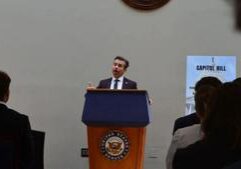
Former Texas Gov. Rick Perry spoke at the American Legislative Exchange Council’s States and Nation Policy Summit on Thursday to push for a clinical trial of the psychedelic drug. Perry pointed to the positive benefits for veterans with post-traumatic stress disorders.
“This is a compound that God gave us that is showing extraordinary ability to free people from post-traumatic stress, literally break addictions,” Perry said.
Ibogaine is a compound found in the African shrub iboga. In the United States, Ibogaine is a Schedule I drug and is not approved for therapeutic use.
Earlier this year, Texas lawmakers approved $50 million to conduct clinical trials on ibogaine. The effort appears to be aimed at receiving medical approval for the drug from the U.S. Food and Drug Administration.
“We need other states to be partners in this,” Perry said. How bad do you got to hate somebody to not make this available?”
A 2024 Stanford Medicine study found that ibogaine provided veterans with relief from depression, anxiety, and poor functioning symptoms.
Bryan Hubbard, CEO of Americans for Ibogaine, called for greater use of the psychedelic, particularly for veterans. He said mental health challenges and post-traumatic stress particularly affect veterans across the country.
Since 2000, roughly 480,000 military service members have sustained traumatic brain injuries, according to the Defense and Veterans Brain Injury Center and RAND’s Invisible Wounds of War Project.
“These special forces veterans and their families have discovered that our government commodifies problems that it is supposed to solve by monetizing sustained human misery,” Hubbard said.
Hubbard cited efforts in Alabama, Idaho, South Carolina, Kentucky, Maryland, Mississippi, Tennessee, New Hampshire, Oklahoma and Vermont to increase funding for ibogaine studies and achieve FDA approval.
In 2024, Kentucky lawmakers considered allocating funds to support research of ibogaine, but backed off after pushback from doctors. Mark Haginey, a cardiologist, told a Kentucky commission that he did not believe ibogaine was safe for FDA approval.
However, after Texas approved funding, Kentucky lawmakers have renewed interest in funding proposals.
FDA Commissioner Marty Makary and U.S. Department of Health and Human Services Secretary Robert F. Kennedy Jr., have appeared to display support for exploring psychedelic drug options to treat post-traumatic stress disorders.
“This is one of our top priorities at the FDA: to listen to doctors, to listen to patients, and to make sure we don’t get in the way with red tape,” Makary said about the use of psychedelic treatments.
“I’m going to challenge you to have the courage to join Texas and those other states so that we have this massive effort all across the country, because you change people’s lives,” Perry said to attendees at ALEC’s policy conference.





Showers And Thunderstorms Likely
Latest News Stories

Attorney expects conversion therapy ruling to impact Illinois ban

Millionaire’s tax proposal draws mixed reviews as deadline approaches

Universities warn state funding delays are wasting millions in taxpayer investment

Illinois Quick Hits: Loyola student’s alleged killer faces federal firearm charge

Will County Kicks Off Comprehensive Land Resource Management Plan Update with Focus on Proactive Zoning and Environmental Justice

Infighting and Calls for Resignation Disrupt Will County Board Meeting

Board Cautious on Abating $53,448 from 2025 Tax Levy

Will County Land Use Committee Splits Votes on Massive Earthrise Solar Projects Amid Intense Public Opposition

Report: Coordinated resilience infrastructure is needed in age of AI

U.S., NATO alliance on the line as Trump set to meet with Rutte

BREAKING: Trump fires Bondi, Blanche to lead DOJ

States sue Trump administration over rollback of some air pollution regulations

Energy affordability report ranks Illinois 31st, warns of ‘burdensome’ mandates