Op-Ed: Illinois’ lawsuit climate is hurting small businesses
Running a small business in Illinois already means navigating high taxes, rising insurance premiums, and increasing regulatory and operational costs. For many of us, just keeping the lights on has become harder year after year. My business, Battaglia Industries – founded alongside my brother and our father – has contributed to our state’s economy for over 25 years by providing commercial mechanical and electrical contracting services to customers across Illinois, but over time, it’s gotten even harder to stay competitive here.
Despite doing everything right to serve our customers in the best way we know how, the regulatory challenges continue to stack against us. What makes this even more frustrating is that Illinois lawmakers continue to ignore one of the biggest cost drivers hurting local employers: lawsuit abuse.
This struggle that many businesses and Illinois are facing isn’t just symbolic.
This year, the American Tort Reform Foundation placed Illinois’ Cook, Madison, and St. Clair Counties on its annual Judicial Hellholes® list, highlighting how the state’s climate that fosters excessive litigation is making it even more difficult for small businesses to survive. Instead of fixing this broken system, lawmakers have moved in the opposite direction. Last year, a new law signed by Gov. J.B. Pritzker set a precedent allowing massive numbers of out-of-state lawsuits unrelated to cases to be heard in Illinois courtrooms. This decision will continue to burden the already strained legal system, making it increasingly unpredictable for consumers, and pile on even more legal risk and cost for businesses trying to operate here. For small businesses that lack significant legal resources, one frivolous lawsuit can mean the difference between expanding and closing their doors for good.
These policies have a direct impact on the affordability of running a business in Illinois, and every day they make it harder for my family and me to focus on serving our customers. In fact, each Illinois resident pays a “tort tax” of $2,003 every year due to excessive litigation. Additionally, our state loses more than $1.3 million in economic activity and upwards of 215,000 jobs annually due to excessive tort costs, with the construction, manufacturing, and retail industries hit hardest. Those are the very industries my business depends on.
On top of those already troubling statistics, the growing role of third-party litigation funding (TPLF), where outside investors, sometimes foreign, bankroll lawsuits in exchange for a cut of the settlement or verdict. These funders often have no connection to our communities, no stake in local jobs, and no incentive to settle cases fairly. Instead, they can drive up settlement demands or purposely prolong legal battles in pursuit of bigger payouts.
That dynamic doesn’t just hurt small businesses like mine; it also has a direct effect on our economy. The Perryman Group estimates costs tied to third-party financing contribute to higher inflation and reduced earnings, costing each American nearly $193 in lost income and higher prices annually. This cost is felt everywhere, from rising home and auto insurance premiums to life-saving prescriptions becoming more difficult to afford.
Other states, like Indiana and Wisconsin, have recognized the growing problem of TPLF and taken steps to rein in abusive litigation practices and bring transparency to our court system. Similarly, Florida has gone even further, enacting a comprehensive legal reform package in 2023. Following enactment, costs for consumers lowered across the state. Illinois, meanwhile, continues to fall behind, and small businesses pay the price.
It’s clear that the costs are heavily stacked against Illinois – and for family businesses like mine, that means fewer resources to invest in our workers and expand here at home.
If lawmakers are serious about making Illinois more affordable and competitive, lawmakers need to focus on passing comprehensive legal reform this legislative session.
Illinois doesn’t have to be known as a Judicial Hellhole®. But if our leaders continue to look the other way, more small businesses will look elsewhere to grow – and we will pay the price.






Slight Chance Rain Showers then Slight Chance Showers And Thunderstorms
Latest News Stories
Executive Committee Details Spending of $134 Million in Pandemic Relief Funds
Facing Budget Crisis, Peotone Committee Questions Athletic Field Project

Committee Summary and Briefs: Peotone Board of Education Committee of the Whole
Meeting Summary and Briefs: Crete-Monee School Board for August 12, 2025
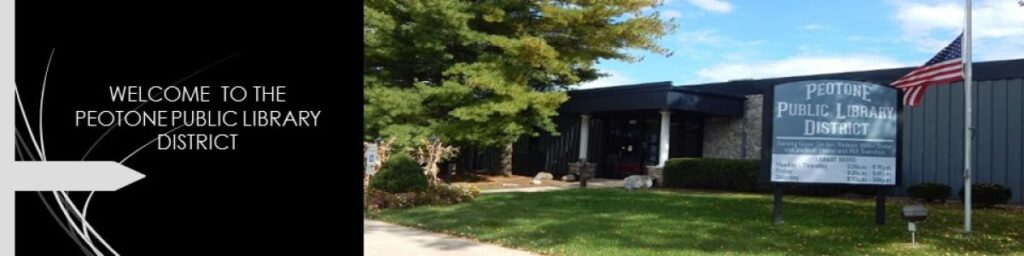
Peotone Library Director’s Salary Set at $75,000 After Annual Evaluation

Peotone Library Director’s Salary Set at $75,000 After Annual Evaluation
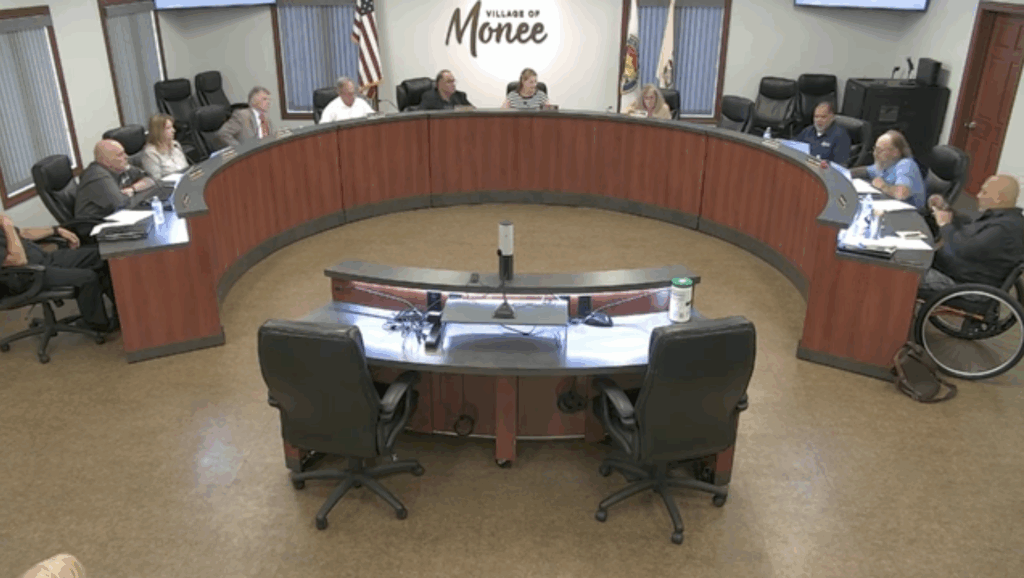
Village Hall to Get $412,000 Fire Sprinkler Replacement After System Failure

Crete-Monee Board Adopts School Improvement Plans for 2025-2026
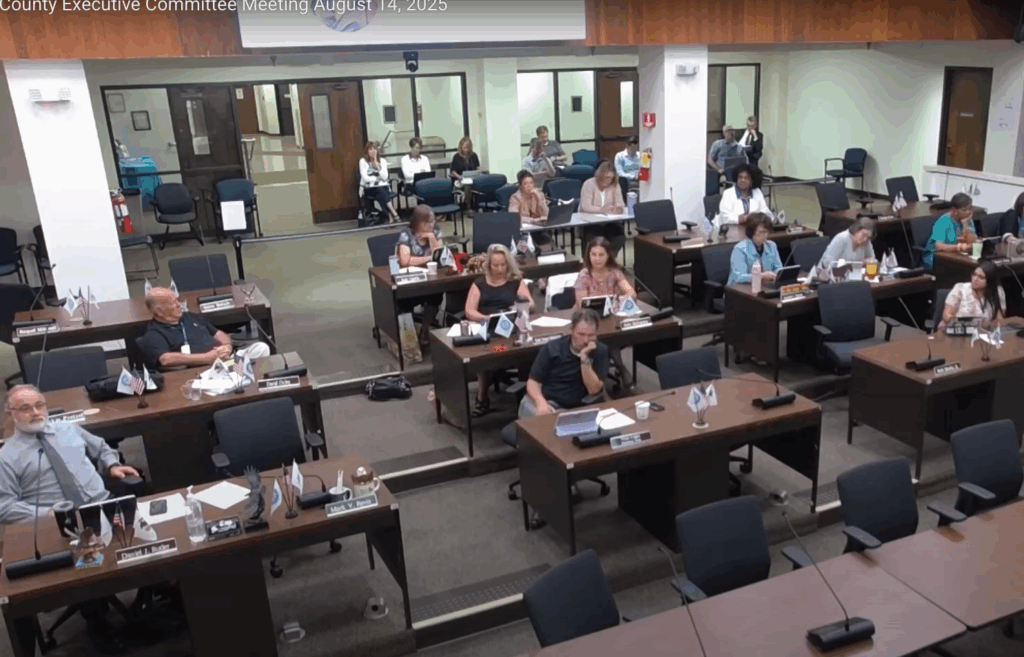
Executive Committee Considers $12,000 Strategic Planning Initiative with University of St. Francis

Board Approves Over $4.4 Million for Major Construction Projects
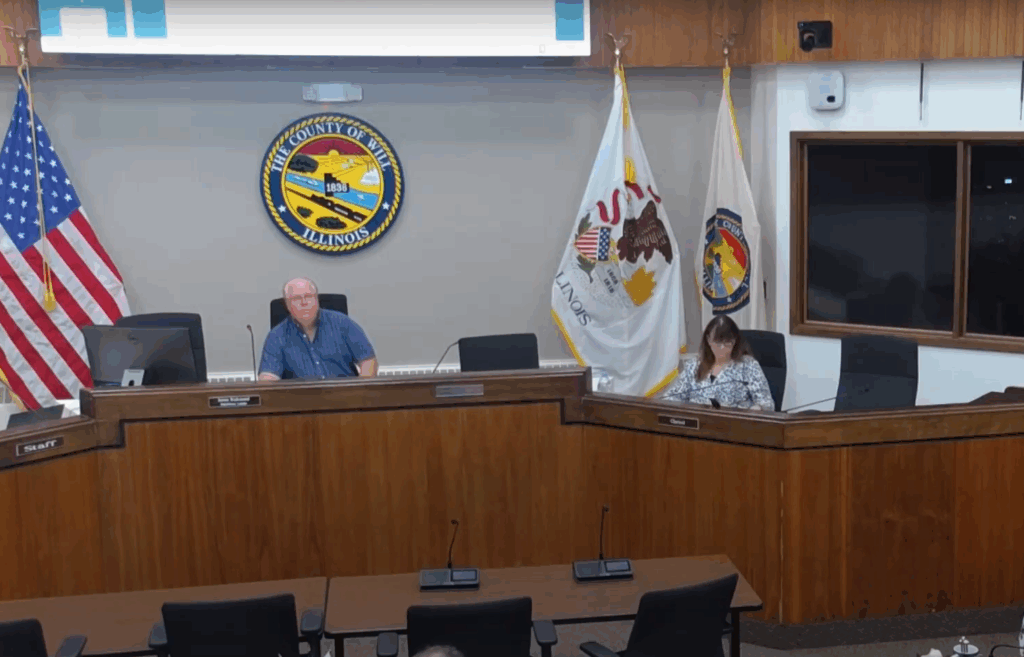
Executive Committee Members Decry Roadside Litter, Call for Action Against Garbage Haulers
District Presses Village of Monee on TIF Expiration, Moves to Sell School Property
Will County Updates Solid Waste Ordinance, Increases Fines and Reporting to Landfill Committee