U.S. effort to limit China’s influence reaches Latin America
The Trump administration’s effort to curb China’s influence in the Western Hemisphere is impacting politics across Latin America, including in countries where conservative candidates want U.S. support.
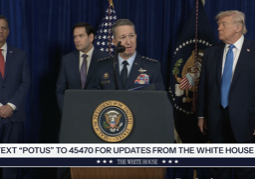
After a U.S.-backed operation led to the capture of Venezuelan leader Nicolás Maduro, the White House made clear that restoring American influence in the region includes severing Beijing’s economic ties. One of President Donald Trump’s demands to Venezuela’s interim leadership was for the country to cut all economic ties with China, reports say.
The administration outlined that approach more formally in the National Security Strategy released last November. The document pledged to eliminate “hostile foreign incursion” in the hemisphere, secure access to “key strategic locations,” and prevent adversarial control of what it described as “strategically vital assets.”
Joe Buccino, a retired U.S. Army colonel and former U.S. Central Command official, said the policy places pressure on Latin American leaders to align with Washington or face diplomatic consequences.
“Mr. Trump is not playing games; leaders who think they can fool the White House to gain favor will get run over,” Buccino wrote in a recent Washington Times op-ed.
He added that the policy applied to Maduro and is now being enforced more broadly across the region.
Trump has already demonstrated a willingness to use political influence to advance that strategy.
During Honduras’ recent presidential election, Trump publicly endorsed Nasry Asfura after Asfura pledged to reverse the country’s decision to abandon Taiwan in favor of diplomatic relations with Communist China. Honduras’ 2023 switch failed to deliver promised economic benefits from Beijing, The Wall Street Journal reported. Asfura won a tight race following Trump’s endorsement, despite trailing in the polls in the weeks before the election.
The outcome signaled that U.S. backing may increasingly depend on a candidate’s stance toward China, analysts said.
That may also happen in Peru, where former Lima Mayor Rafael López Aliaga is running for president. López Aliaga has portrayed himself as a Trump fan while trying to gain the president’s support.
Meanwhile, Republicans in Washington have raised concerns about López Aliaga’s financial and political ties to China. He has supported Chinese involvement in major infrastructure projects, including the Chinese-owned and operated Port of Chancay outside Lima, and has promoted expanding Chinese language instruction in Peru’s education system.
Chinese firms are also backing a proposed rail project that would move Brazilian commodities through the Port of Chancay. The project would rely on rail lines operated by PeruRail, a company López Aliaga co-founded.
Those ties have drawn scrutiny from U.S. lawmakers. Rep. Greg Steube, R-Fla., warned Secretary of State Marco Rubio that the project would create infrastructure financed, managed, and surveilled by Beijing, while benefiting politicians with financial and political interests in the arrangement.



Slight Chance Rain Showers then Slight Chance Showers And Thunderstorms
Latest News Stories

Autism care providers, parents urge change in ownership mandate

Illinois Quick Hits: Bears want more from state
Will County Board Approves Controversial Solar Farms Following Court Mandate
Bears, megaprojects tax incentive bill heads to Senate after clearing House
House Dems pass redistricting amendment GOP says will lead to more gerrymandering

Illinois Quick Hits: Governor announces green tax credits for film and TV
‘Plaintiffs’ lawyer paradise:’ IL lawsuit-friendly courts jack up costs, report says
AG candidate seeks to reform SAFE-T Act
Op-Ed: Senate Bill 3070 provides sensible solution for students, manufacturers

Meeting Summary and Briefs: Peotone Public Library District for March 19, 2026
Illinois millionaire’s tax moves closer to November ballot

Oldest preserve expansion pushes acreage past 24,000 milestone