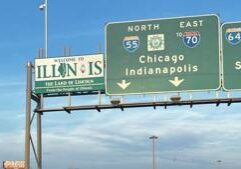
Illinois Quick Hits: No injuries reported in Tuesday earthquake
(The Center Square) – No injuries have been reported after the U.S. Geological Survey reported a magnitude 3.8 earthquake near the Montgomery County town of Ohlman, Illinois early Tuesday.
People reported feeling the quake in St. Louis, Springfield and other cities in central and southern Illinois. There were no immediate reports of damage.
HATED TAX POLL
According to a new survey, the most hated tax in Illinois is the property tax.
5StarLoans.com conducted a poll of 3,044 respondents and found that Illinois homeowners pay thousands of dollars more in property taxes each year than their counterparts across state lines, and residents feel they are paying premium rates for services that have not kept pace.
The second-most hated tax in Illinois was the vehicle registration fee, followed by utility and service surcharges.
GLITTER BAN PROPOSED
State Rep. Kimberly DuBuclet, D-Chicago, has introduced legislation to ban non-biodegradable glitter in personal care products.
House Bill 4175 would enact the ban on Dec. 31, 2029. According to a statement from DuBuclet’s office, microplastics including synthetic glitter are among the most pervasive pollutants in the world.





Slight Chance Rain Showers then Slight Chance Showers And Thunderstorms
Latest News Stories
Congress moves to restore federal union powers, critics warn of higher costs

Energy org asks DHS to deny Thunberg entry to country due to disruptive behavior
Ukraine agrees to preliminary peace plan; Russian strikes continue

Illinois quick hits: Chiropractor sentenced for fraud; fatal airport shooting investigation

Trump administration ends protected status for Burmese nationals
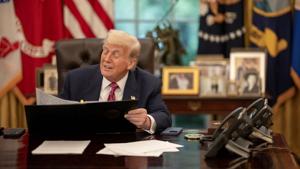
Trump designates Muslim Brotherhood as foreign terrorist organization

Tractor Supply Construction on Track for February Opening

Township Board Approves $5,000 Grant for Mud Dog Baseball
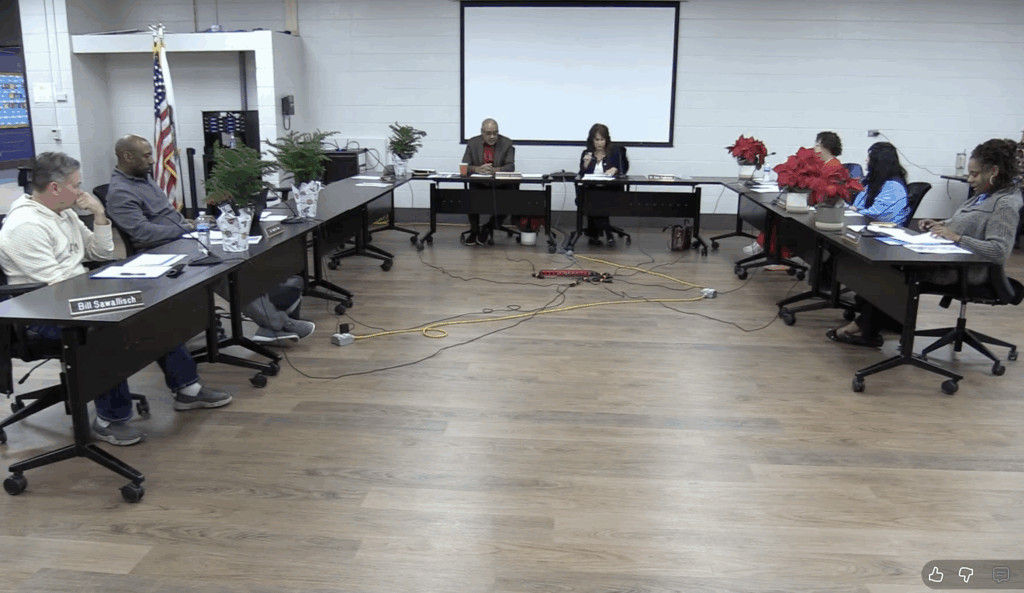
Talala Elementary Designated “Comprehensive” as District Reviews Academic Performance
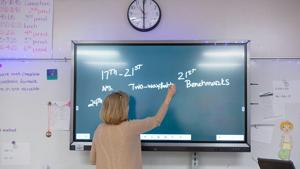
OpenAI launches teachers AI tools for classrooms

Federal court blocks Trump from dismantling four agencies
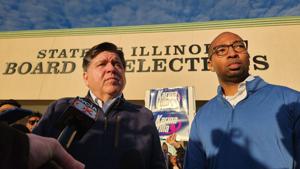
State reps: Pritzker turns ‘blind eye’ to Chicago’s public safety crisis