EXCLUSIVE: Canadian groups, First Nation police support stronger border security
Despite Canadian officials arguing that the “Canada-U.S. border is the best-managed and most secure border in the world,” some Canadian groups and First Nation tribal police chiefs disagree.
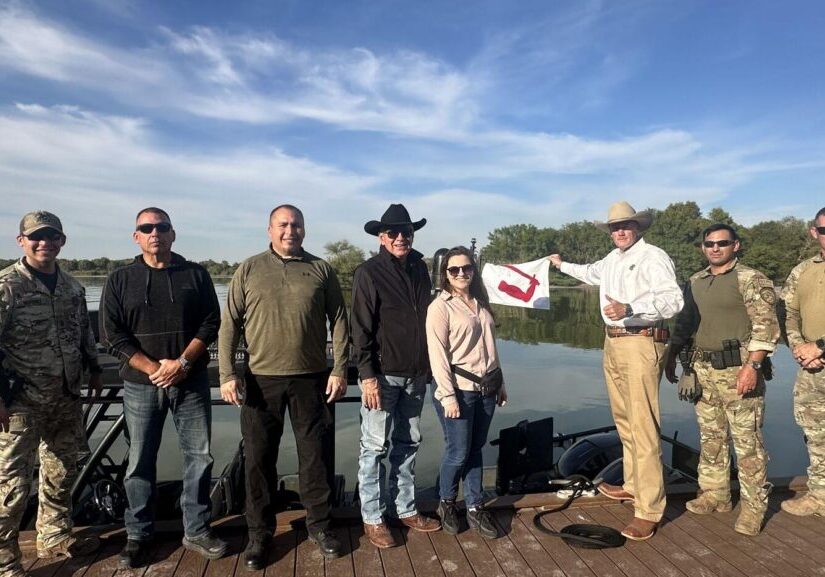
This week, First Nation representatives traveled to Texas for the first time in U.S.-Canadian history to find ways to implement stronger border security measures at the U.S.-Canada border, including joining an Operation Lone Start Task Force, The Center Square exclusively reported.
Part of the problem is getting law enforcement, elected officials and the general public to understand the reality that Mexican cartels and transnational criminal organizations are operating in Canada; another stems from Trudeau administration visa policies, they argue.
When it comes to public perception, “If you tell Canadians we have a cartel problem, they’ll laugh at you. They don’t believe it. If you tell them we have a gang problem, they will absolutely agree with you 100%. They don’t think that gangs and cartels are the same thing. They don’t see the Hells Angels as equal to the Sinaloa Cartel because” the biker gang is visible, wearing vests out on the streets and cartel operatives aren’t, Jamie Tronnes, executive director of the Center of North American Prosperity and Security, told The Center Square in an exclusive interview.
The center is a US-based project of the MacDonald-Laurier Institute, the largest think tank in Canada. Tronnes previously served as a special assistant to the cabinet minister responsible for immigration and has a background in counterterrorism. She joined First Nation police chiefs to meet with Texas law enforcement and officials this week.
Another Canadian group, Future Borders Coalition, argues, “Canada has become a critical hub for transnational organized crime, with networks operating through its ports, banks, and border communities.” The Sinaloa and Jalisco New Generation Mexican cartels control the fentanyl, methamphetamine and cocaine business in Canada, partnering with local gangs like the Hells Angels and Chinese Communist Party (CCP)-linked actors, who launder profits through casinos, real estate, and shell companies in Vancouver and Toronto, Ammon Blair, a senior fellow at the Texas Public Policy Foundation, and others said at a coalition event prior to First Nation police chiefs and Tronnes coming to Texas.
“The ’Ndrangheta (Italian Mafia) maintains powerful laundering and import operations in Ontario and Quebec, while MS-13 and similar Central American gangs facilitate human smuggling and enforcement. Financial networks tied to Hezbollah and other Middle Eastern groups support laundering and logistics for these criminal alliances,” the coalition reports.
“Together, they form interconnected, technology-driven enterprises that exploit global shipping, cryptocurrency, and AI-enabled communications to traffic whatever yields profit – narcotics, weapons, tobacco, or people. Taking advantage of Canada’s lenient disclosure laws, fragmented jurisdictions, and weak cross-border coordination, these groups have embedded themselves within legitimate sectors, turning Canada into both a transit corridor and safe haven for organized crime,” the coalition reports.
Some First Nation reservations impacted by transnational crime straddle the U.S.-Canada border. One is the Akwesasne Mohawk Reservation, located in Ontario, Quebec, and in two upstate New York counties, where human smuggling and transnational crime is occurring, The Center Square reported. Another is the Tsawwassen First Nation (TWA) Reservation, located in a coastal region south of Vancouver in British Columbia stretching to Point Roberts in Washington state, which operates a ferry along a major smuggling corridor.
Some First Nation reservations like the TWA are suffering from CCP organized crime, Tronnes said. Coastal residents observe smugglers crossing their back yards, going through the reserve; along Canada’s western border, “a lot of fentanyl is being sent out to Asia but it’s also being made in Canada,” Tronnes said.
Transnational criminal activity went largely unchecked under the Trudeau government, during which “border security, national security and national defense were not primary concerns,” Tronnes told The Center Square. “It’s not to say they weren’t concerns, but they weren’t top of mind concerns. The Trudeau government preferred to focus on things like climate change, international human rights issues, a feminist foreign policy type of situation where they were looking more at virtue signaling rather than securing the country.”
Under the Trudeau administration, the greatest number of illegal border crossers, including Canadians, and the greatest number of known, suspected terrorists (KSTs) were reported at the U.S.-Canada border in U.S. history, The Center Square first reported. They include an Iranian with terrorist ties living in Canada and a Canadian woman who tried to poison President Donald Trump, The Center Square reported.
“Had it been a priority for the government to really crack down and provide resources for national security,” federal, provincial and First Nation law enforcement would be better equipped, funded and staffed, Tronnes said. “They would have better ways to understand what’s really happening at the border.”
In February, President Donald Trump for the first time in U.S. history declared a national emergency at the northern border and ordered U.S. military intervention. Months later, his administration acknowledged the majority of fentanyl and KSTs were coming from Canada, The Center Square reported.
Under a new government and in response to pressure from Trump, Canada proposed a $1.3 billion border plan. However, more is needed, the groups argue, including modernizing border technology and an analytics infrastructure, reforming disclosure and privacy rules to enable intelligence sharing, and recognizing and fully funding First Nation police, designating them as essential services and essential to border security.
“National security doesn’t exist without First Nation policing at the border,” Dwayne Zacharie, First Nations Chiefs of Police president, told The Center Square.




Chance Showers And Thunderstorms then Slight Chance Showers And Thunderstorms
Latest News Stories
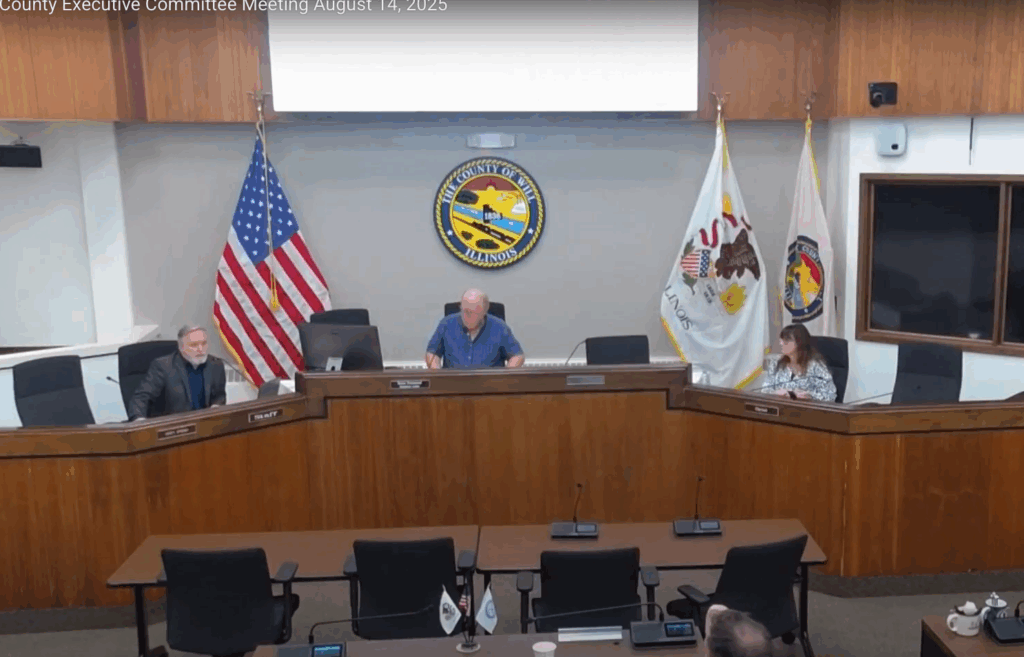
Executive Committee Details Spending of $134 Million in Pandemic Relief Funds

Facing Budget Crisis, Peotone Committee Questions Athletic Field Project

Committee Summary and Briefs: Peotone Board of Education Committee of the Whole
Meeting Summary and Briefs: Crete-Monee School Board for August 12, 2025

Peotone Library Director’s Salary Set at $75,000 After Annual Evaluation

Peotone Library Director’s Salary Set at $75,000 After Annual Evaluation
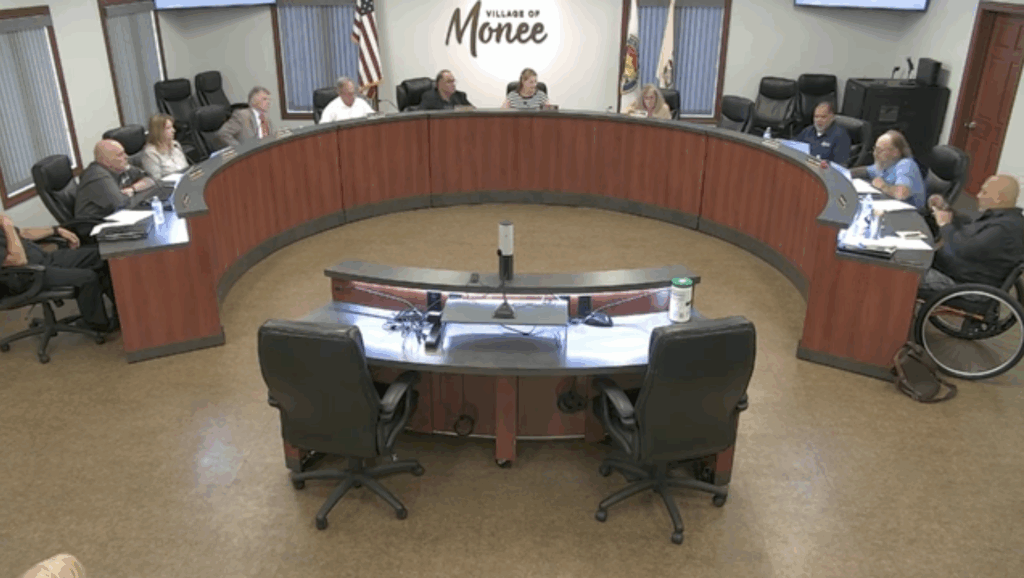
Village Hall to Get $412,000 Fire Sprinkler Replacement After System Failure
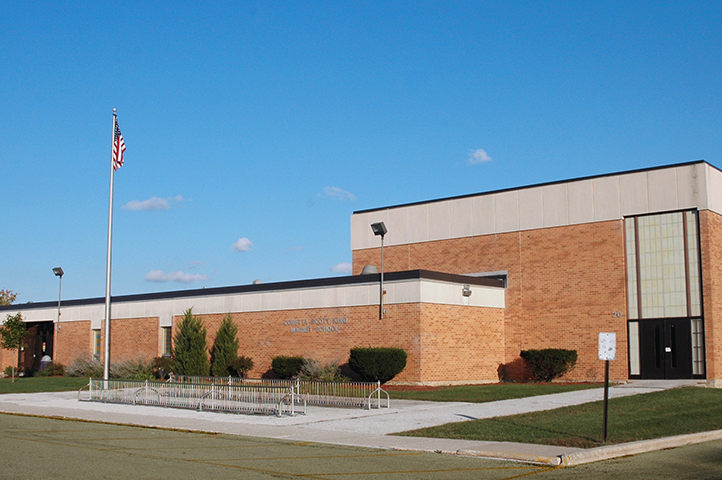
Crete-Monee Board Adopts School Improvement Plans for 2025-2026
Executive Committee Considers $12,000 Strategic Planning Initiative with University of St. Francis
Board Approves Over $4.4 Million for Major Construction Projects
Executive Committee Members Decry Roadside Litter, Call for Action Against Garbage Haulers
District Presses Village of Monee on TIF Expiration, Moves to Sell School Property
Will County Updates Solid Waste Ordinance, Increases Fines and Reporting to Landfill Committee