Monee Mulls Local 1% Grocery Tax to Recoup State Funds
The Village of Monee is contemplating implementing a local 1% sales tax on groceries to prevent a loss of revenue, following the state of Illinois’s decision to repeal its tax on the same goods.
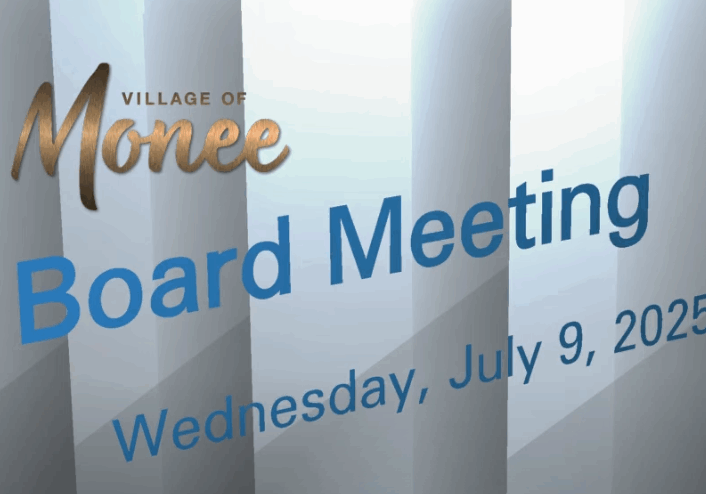
Mayor Dr. Therese M. Bogs explained during the village board meeting Wednesday that the move would not be a new tax on consumers but rather a shift in which government entity collects the funds. The state is eliminating its 1% tax but has granted municipalities the authority to levy their own.
“Basically, there’s not an additional tax. It’s just not coming from the state; it would be coming from the municipality,” Bogs said. “Basically, all that is doing is giving us working capital.”
Currently, the state collects the tax and rebates a portion back to the village, which amounts to approximately $30,000 annually. If Monee does not enact its own tax, it will lose that revenue stream. “That’s what we’re collecting now,” Bogs confirmed. “So the state is not going to collect it. They’re allowing the municipalities to collect it directly.”
The 1% tax equals one dollar for every $100 spent on groceries. According to the Illinois Municipal League, numerous area communities are also considering the measure, including Beecher, while others like Crete, Tinley Park, and Orland Park have already moved to adopt it.
The board took no action on the matter, with the mayor indicating the topic remains open for discussion and that there is flexibility on the timeline for making a decision.
Mostly Sunny
Latest News Stories
Ad-Hoc Committee: County Stripped of Power to Regulate Motor Races, Must Drop Solicitor Fees Due to State Statutes

Commission Overrides Staff Recommendation, Approves Manhattan Township Barn Expansion

Community violence intervention advocates tout crime reduction, taxpayer funding

Pritzker’s social media fee plan faces cost, legality questions
Investigation: Wisconsin’s DPI took uncommon approach with Dells conference
Motion to disqualify prosecutors in Robinson’s trial is denied

Chicago tourism rises; visitors ignore Trump’s condemnation

CMS proposes 0.09% Medicare Advantage advanced rate, raising alarms

U.S. Supreme Court to hear Michigan foreclosure case on Wednesday

DHS silent on number of agents remaining in Twin Cities
Supreme Court strikes down court error in baby food case

Illegal border crosser apprehensions drop 96% at southwest border in a year

Group says Congress must stop U.S. strikes on suspected drug boats
Supreme Court halts mail delivery lawsuit